PACKINT - Chocolate Machines

Top 10 Best Chocolate Fountain Machines for Buyers

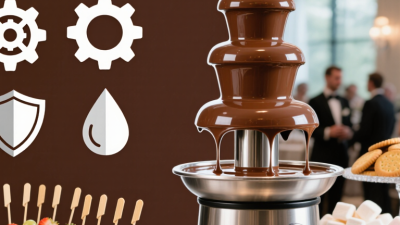
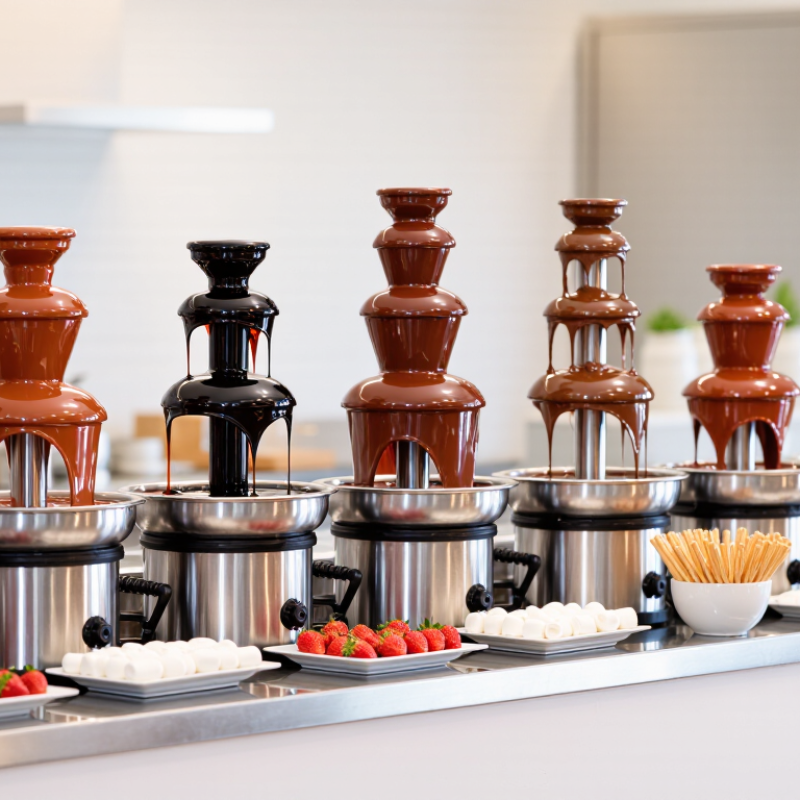
A chocolate fountain can turn a dessert table into its centerpiece. Picture warm chocolate flowing in smooth tiers beside strawberries, biscuit sticks, and small plates. But the display only works when the machine suits the occasion. Capacity, heating control, material quality, noise, and cleanup all affect the experience. A compact model may be perfect for a family gathering, while a busy event needs steadier performance and a larger bowl.

Pastry chef and chocolatier Amaury Guichon is known for precision in chocolate work, a useful standard for evaluating any chocolate fountain machine. The following line is an editorial paraphrase, not a verified direct quotation: “Choose equipment that keeps the chocolate flowing steadily and makes cleanup manageable.” That distinction matters. Product claims should be checked against manufacturer specifications and, where possible, real buyer feedback.

This guide compares ten machines for different needs and budgets. It considers practical details, including how quickly a unit heats, whether its parts come apart easily, and how much counter space it occupies. Small details count. A heavy bowl can be awkward to empty; a tricky control dial can frustrate guests and hosts alike. No single model fits every buyer. Some trade capacity for portability, and even promising machines may have drawbacks worth a closer look. The goal is a clearer choice, not a perfect-sounding promise.
Top 10 Best Chocolate Fountain Machines for Buyers

How Chocolate Fountain Machines Work

A chocolate fountain uses gentle heat and a moving mechanism to keep melted chocolate flowing. A heated bowl warms the chocolate, while an auger or small pump carries it up through the center tube. At the top, chocolate spills over a tier and moves down each level in a smooth curtain. Then it returns to the bowl and circulates again. Simple, but temperature matters.

Chocolate that is too cool can thicken and break into uneven streams. Too much heat may affect its texture, so follow the machine’s instructions and stir as it melts. The mixture also needs to flow easily; ordinary chocolate may require a suitable thinning ingredient, depending on the recipe and equipment. Look for a steady curtain, not scattered drips. A slight wobble can happen while the fountain warms up. It is easy to underestimate setup time.

Keep the machine level, and avoid letting crumbs or fruit pieces fall into the bowl. Check the flow occasionally, especially during a long serving period. When finished, switch off the heat and clean the parts according to the manual before chocolate hardens. The cleanup is not glamorous. It is part of getting reliable results next time.

Types, Sizes, and Uses of Chocolate Fountains

Chocolate fountains vary by design and scale. Small countertop models suit family gatherings, dessert tables, and tasting events. Their compact bowls are easier to move and clean, but they may struggle during long service. Larger tiered fountains hold more chocolate and create a dramatic display for weddings or catered events. They need a stable table, nearby power, and enough space for guests to serve themselves.

Size should match the crowd, not just the room. A small unit can work for a handful of guests, while busy events may need a higher-capacity machine or more than one fountain. Check the maker’s stated capacity and minimum fill level before buying. A fountain running too low may stop flowing smoothly. Still, capacity charts can be hard to compare, so allow a little room for real-world variation.

Tips: Choose a model with removable, dishwasher-safe parts if cleanup matters. Use chocolate formulated for fountains, or follow the manual’s thinning guidance; thick chocolate can clog the auger. Keep fruit and cake pieces dry, since moisture can affect the flow. A bigger fountain is not always better. It can be impressive, but setup and cleaning take longer.

Key Features to Compare Before Buying

A chocolate fountain should match the size of your event, not just look impressive in a product photo. Compare bowl capacity with the number of guests. A small unit may need frequent refills, while a tall fountain can be awkward on a crowded table. Check the stated heating range and whether the temperature can be adjusted. Chocolate that is too cool may flow poorly; excessive heat can affect its texture.

Tips: Measure your serving space before buying. Check the fountain’s assembled height, base width, and cord length. Look for stable feet and controls that are easy to reach. Wattage alone is not a reliable measure of performance.

Pay close attention to cleaning. Removable bowls and tiers can make cleanup easier, but confirm which parts are safe for a dishwasher by reading the care instructions. A quiet motor matters during conversation, and a clear assembly guide can save time on event day. Also compare the recommended chocolate type and consistency. Some machines need specially prepared chocolate, which adds cost and effort. These details are easy to overlook when focusing only on capacity. A lower price may be tempting, but replacement parts and cleanup time matter too.

Chocolate Fountain Buying Guide: Estimate Capacity Before You Buy

Use the estimate to compare a fountain’s stated chocolate capacity with your event size. It assumes 1 ounce of chocolate per guest; actual use varies with serving size, event length, and other desserts.

Top 10 Chocolate Fountain Machines for Different Needs

Chocolate fountain machines suit different events, so capacity should guide the choice. A mini tabletop model works for a family dessert night or a small office party. Small gatherings need less. A standard three-tier fountain offers a more noticeable display for birthdays and receptions, while a large-capacity commercial unit can keep pace with steady guest traffic. Check the stated chocolate capacity, not just the machine’s height.

Other designs solve specific problems. A stainless-steel model is practical for frequent use and tends to be easier to wipe clean. Heated-bowl fountains help maintain a smooth flow, while adjustable-speed units offer more control over splashing. Portable, lightweight machines are handy for occasional events, though they may hold less chocolate. Easy-disassembly designs can save time after serving. That detail matters.

Think about cleanup before buying. One easy-to-miss trade-off is that extra tiers look impressive but add surfaces to wash. I have seen buyers focus on the display and overlook storage space; it is an easy mistake to make. For longer events, look for stable construction, clear operating instructions, and a motor suited to the expected run time. Check whether the machine requires a particular chocolate consistency, too. A fountain that fits the guest count and cleanup routine is often more useful than the tallest model on the table.

Setup, Cleaning, and Safe Operation of Chocolate Fountains

Set the fountain on a level, sturdy table, away from children’s reach and busy walkways. Check the manual before assembly; heating and loading steps vary by machine. Make sure every part is dry, then plug the unit into a suitable outlet with dry hands. Prepare chocolate as directed, and avoid adding water, which can make it seize. Keep the flow steady rather than filling the bowl to the brim. A small test run can reveal uneven placement before guests arrive. Keep it simple.

During service, supervise the fountain and keep hands, napkins, and serving sticks clear of the moving tiers. Use clean skewers, and replace any that have touched the floor or other unclean surfaces. Follow the machine’s guidance for operating temperature; chocolate that is too cool may thicken, while overheating can affect its texture. I’ve found that the cleanup is easy to underestimate. Switch off and unplug the unit, then drain the chocolate while it is still pourable but not dangerously hot. Wash removable parts as instructed, and never immerse the motor base. Dry everything thoroughly before storage. A little chocolate in a seam is easy to miss, so check the joints before packing the machine away.

Top 10 Best Chocolate Fountain Machines for Buyers — Setup, Cleaning, and Safe Operation
Buyer Profile Approximate Chocolate Capacity Best Suited For Setup Considerations Cleaning Guidance Safe Operation
1. Mini tabletop fountain About 1–2 lb (0.45–0.9 kg) Small home gatherings and dessert displays with a few guests. Place on a level, stable surface near a suitable power outlet. Confirm the minimum fill amount before starting. Switch off and unplug; allow hot parts to cool enough to handle. Remove washable parts according to the instructions. Keep the electrical base and cord away from spills. Supervise children around hot chocolate and moving parts.
2. Compact home fountain About 2–3 lb (0.9–1.4 kg) Family celebrations and casual parties. Assemble the tower and auger as directed, then check that the unit is level before adding chocolate. Clean the tower and basin promptly after use, following the manufacturer’s instructions for removable components. Use only the recommended chocolate consistency; do not operate the fountain dry unless its instructions specifically permit it.
3. Small party fountain About 3–4 lb (1.4–1.8 kg) Small events where guests serve themselves in turns. Allow space around the fountain for serving and keep the setup away from edges and walkways. Remove leftover chocolate while it is still pliable, without allowing liquid to enter the motor housing. Use stable serving plates and keep skewers or other utensils from contacting the moving auger.
4. Medium event fountain About 4–6 lb (1.8–2.7 kg) Birthdays, family reunions, and medium-sized dessert tables. Check the unit’s required warm-up procedure and minimum chocolate load; allow enough room for the full assembled height. Separate only the parts identified as removable and washable. Wipe the base with a damp cloth rather than submerging it. Place the cord where guests cannot trip over it, and keep the unit away from water and wet serving areas.
5. Large party fountain About 6–8 lb (2.7–3.6 kg) Larger private parties and buffet-style service. Use a firm, level table that can support the filled unit. Follow the specified assembly and preheating steps. Plan for prompt cleanup and safe disposal of excess chocolate; do not pour chocolate into a sink drain. Keep guests from moving or tilting the fountain while it is operating. Follow the appliance’s electrical and temperature guidance.
6. High-capacity event fountain About 8–10 lb (3.6–4.5 kg) Busy events with a steady line of guests. Check the filled weight and table stability in advance. Position the fountain where staff can monitor flow and replenish chocolate safely. Allow the unit to cool as directed before dismantling; avoid scraping or washing parts in a way that could damage coatings. Assign an attendant to monitor the fountain, serving area, and cord throughout service.
7. Commercial-style countertop fountain Often about 10–15 lb (4.5–6.8 kg); verify the unit’s stated capacity Food-service settings and catered events with frequent use. Confirm the power requirements, ventilation needs, and manufacturer-approved operating schedule before setup. Use the cleaning and sanitation procedure specified for the appliance and the food-service setting. Train operators on safe handling, electrical precautions, and the unit’s temperature controls.
8. Multi-tier display fountain Varies by bowl and tier size; check the stated working capacity Decorative dessert stations where a taller chocolate cascade is desired. Verify that all tiers are securely fitted and the base is level; account for the fountain’s height and clearance. Clean each removable tier separately if the instructions allow; keep the motor and electrical components dry. Prevent guests from reaching over the tower, and keep decorations and loose items clear of moving parts.
9. Portable event fountain About 3–8 lb (1.4–3.6 kg), depending on size Events that require transport between venues or serving areas. Transport the fountain disassembled and empty. Reassemble it on a level surface and inspect the cord and parts before use. Pack only when the unit is clean and fully dry; protect removable parts from impact during transport. Do not operate with a damaged cord, unstable support, or wet electrical components.
10. Easy-clean fountain design About 2–6 lb (0.9–2.7 kg), depending on size Buyers who value straightforward disassembly and cleanup after occasional use. Before buying, check which parts detach, whether they are dishwasher-safe, and how the heating and flow controls work. Follow the appliance manual; never assume a part is dishwasher-safe or submersible unless the manufacturer says so. Unplug before cleaning, keep the base dry, and avoid adding water to chocolate because even a small amount can cause it to seize.

Buyer’s note: Capacity figures are approximate planning ranges for general fountain sizes, not specifications for individual products. Check the appliance’s stated minimum and maximum fill, power requirements, materials, cleaning instructions, and safety guidance before purchase. Use chocolate formulated for fountains or prepare chocolate to the manufacturer’s directions; avoid introducing water, which can cause chocolate to seize.