Top Wave Spring Suppliers What to Look for?
In the world of mechanical design, choosing the right wave spring supplier is crucial. Industry expert Dr. Emily Carter states, "The quality of wave springs significantly impacts performance." With numerous suppliers available, knowing what to seek can make a difference. A reliable supplier must demonstrate extensive experience in manufacturing wave springs.
A proven track record in various applications, such as automotive and aerospace, shows their capability. Moreover, understanding material properties is essential. Quality materials ensure durability and functionality. Yet, not all suppliers adhere to the same standards. This variability can lead to challenges in product reliability.
To make an informed decision, companies should evaluate supplier certifications and customer feedback. Engaging with suppliers who offer transparent communication is vital. Mistakes can occur, and how a company responds to those errors often reveals its integrity. Making the right choice today can lead to enhanced performance and reduced costs in the long run.
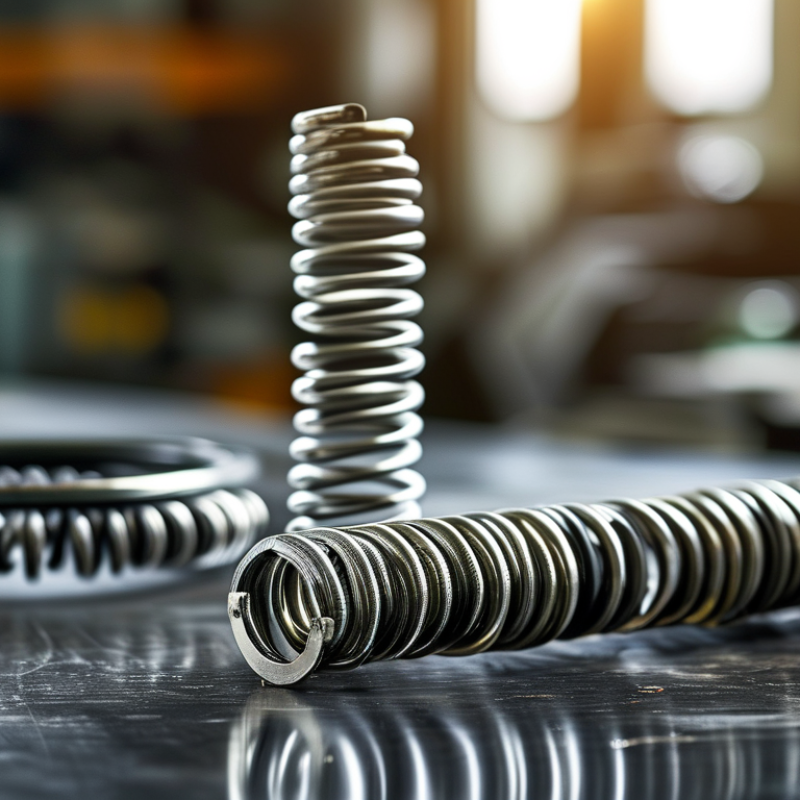
Overview of Wave Springs and Their Applications
Wave springs are compact, coiled devices designed to exert axial force. Their design allows them to fit into tight spaces while providing reliable performance. These springs are particularly useful in applications where traditional coil springs would be too bulky. Their unique structure enables superior energy storage and release, making them ideal for various industries.
Various sectors utilize wave springs for different reasons. In the automotive industry, they efficiently manage space and weight in suspension systems. The aerospace sector values their ability to maintain performance at varying altitudes and temperatures. According to a recent report, the wave spring market is projected to grow by over 5% annually, reflecting their increasing importance in engineering solutions.
While wave springs offer numerous advantages, there are challenges. Misalignment during installation can reduce their effectiveness. Engineers must ensure precise fitting to avoid premature wear. Regular assessments of wave spring conditions are essential for optimal performance. Factors like load types and environmental conditions play vital roles in their longevity. Understanding these variables can help in making informed decisions about wave spring applications.
Key Factors for Evaluating Wave Spring Suppliers
When evaluating wave spring suppliers, several key factors come into play. Industry reports suggest that over 70% of manufacturers focus on the supplier's technical capabilities. This includes the ability to customize designs to fit specific applications. Wave springs often need to operate under unique load requirements. A reliable supplier should demonstrate not just product quality but also the capacity to adapt to varying customer demands.
Another essential factor is the supplier's experience in the industry. Research shows that suppliers with over ten years of experience have a significant edge. They are more likely to understand the nuances of material selection and machining processes. Additionally, suppliers with a strong track record often have established quality control measures. This can lead to fewer defects and increased durability in the final products.
Delivery times matter too. On-time delivery rates often reflect a supplier's reliability. According to industry statistics, suppliers who meet or exceed a 95% on-time delivery rate are preferred by 60% of engineers. This is crucial for production schedules. Furthermore, engaging with suppliers who have clear communication channels can foster a collaborative relationship. It allows for quick resolution of any design changes or production issues that may arise during the partnership.
Top Wave Spring Suppliers: Key Factors for Evaluating
Industry Standards and Certifications for Quality Assurance
In the wave spring industry, adherence to industry standards and certifications significantly impacts product quality and reliability. Many manufacturers strive for ISO 9001 certification, which indicates effective quality management systems. This certification helps ensure consistent product quality. According to industry reports, organizations with ISO 9001 are 20% more likely to meet customer satisfaction benchmarks.
Additionally, compliance with ASTM standards is crucial for wave springs. These standards promote safety, performance, and interchangeability. Reports indicate that products within ASTM specifications typically exhibit 15-20% greater durability. However, relying solely on certifications is not enough. Examining a supplier’s reputation and customer reviews is equally important. A company might have all necessary certifications but may still face challenges in quality or service.
Suppliers should invest in regular audits and continuous improvement processes. This reflects a commitment to excellence. Seeking feedback from existing customers can reveal potential gaps in service or product quality. It is vital to maintain an ongoing evaluation of both the supplier’s practices and the standards they uphold.
Comparative Analysis of Leading Wave Spring Manufacturers
When evaluating wave spring manufacturers, certain factors stand out. Quality of materials is paramount. Look for suppliers who use high-grade steel or specialty alloys. These materials enhance durability and performance. A manufacturer's experience plays a vital role too. Companies with years in the industry tend to understand customer needs better.
Another essential aspect is the range of products offered. It’s crucial for suppliers to provide various wave spring designs. This flexibility allows customers to find customized solutions. Testing and quality assurance processes matter significantly. Reliable manufacturers often conduct rigorous testing to ensure that their products meet industry standards. Documentation of these tests adds to their credibility.
Finally, consider the customer service level. Prompt responses and technical support can indicate a supplier's commitment to service. However, it’s worth noting that not all manufacturers excel in communication. Some may struggle with timely updates or issue resolution. Overall, a comprehensive analysis that includes these elements can guide you to a suitable wave spring supplier.
Case Studies: Successful Partnerships with Wave Spring Suppliers
Successful partnerships with wave spring suppliers often hinge on aligning technical capabilities and business goals. Recent industry reports highlight that 65% of manufacturers prioritize suppliers with innovative designs and robust engineering support. Collaborations that foster open communication lead to better problem-solving and product development. In one case study, a manufacturer integrated advanced wave spring designs, resulting in a 30% reduction in space and weight in their final product.
Quality assurance remains critical. According to a survey by the Engineering Society, 72% of companies deemed supplier reliability a top factor in partnership success. A provider that implements ISO certifications and rigorous testing protocols can significantly impact performance outcomes. In a partnership scenario, a client noted that regular feedback loops improved product iterations and reduced lead times by 25%.
However, not all partnerships yield positive results. Misalignment of expectations often leads to setbacks. Some businesses find themselves disappointed when a supplier doesn't meet their design specifications. This highlights the importance of thorough vetting before establishing agreements. Engaging potential suppliers in detailed discussions about technical requirements can help clarify objectives and mitigate risks.
