PACKINT - Chocolate Machines

China Top Hot Chocolate Machine Manufacturers?

Choosing among China’s top hot chocolate machine manufacturers takes more than comparing glossy catalogs. Buyers need equipment that can heat and mix chocolate evenly, hold a steady serving temperature, and work reliably during busy service. A smooth, steaming cup matters. So does what happens after hundreds of servings.

This guide explores how to assess Chinese suppliers and their hot chocolate machines for cafés, hotels, restaurants, and beverage businesses. It looks at practical details such as output capacity, temperature controls, dispensing consistency, cleaning access, and the availability of replacement parts. A removable mixing bowl or an easy-to-reach tap may save time during a real shift. Small details matter.

Supplier claims deserve careful checking. Ask for product specifications, operating instructions, warranty terms, and relevant documentation for food-contact components. If possible, request a sample run or a live demonstration using the chocolate mix you plan to serve. A polished catalog can still leave questions unanswered. I would not treat a low quote as proof of value; shipping, installation, maintenance, and response times also affect the total cost.

No manufacturer is perfect for every business. A compact unit may suit a small counter but struggle with constant demand, while a high-capacity model may waste space and energy in a quiet café. The best choice depends on your menu, daily volume, staff routine, and service expectations. Compare evidence, not promises, and confirm key details directly with each supplier before making a decision.
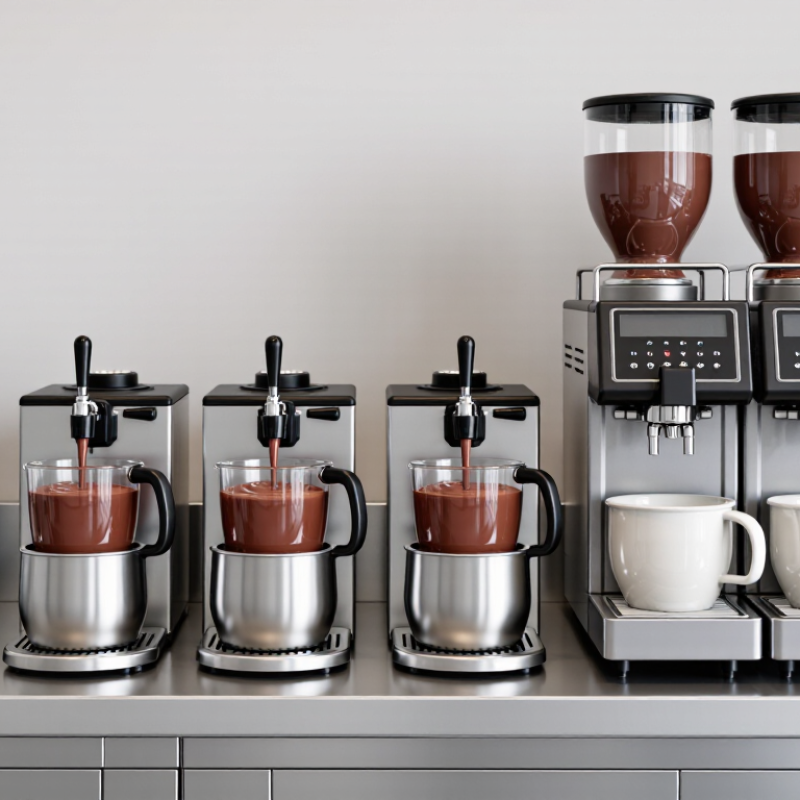
China Top Hot Chocolate Machine Manufacturers?

Hot Chocolate Machines: Functions and Common Applications

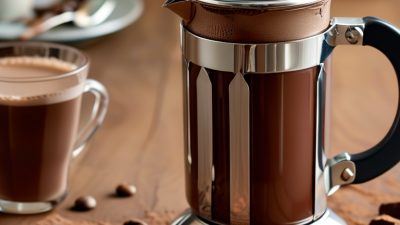
Hot chocolate machines are designed to heat, mix, and dispense cocoa drinks with steady texture and temperature. Many models use an internal stirrer to reduce powder clumps and prevent milk from scorching near the heating surface. A thermostat helps maintain serving heat, while a tap or pump controls portions. Some machines also include a removable bowl, making daily cleaning easier. Consistency matters.

Their applications range from cafés and hotel breakfast areas to cinemas, bakeries, and workplace refreshment stations. A compact unit may suit a small counter with occasional orders. Busy venues often need a larger tank and faster recovery after repeated pours. For example, a café serving winter drinks throughout the afternoon may value quick reheating more than a wide menu of settings.

Drink quality still depends on the recipe and routine. Milk-based mixtures can form a skin if they sit too long, and poorly rinsed parts may carry stale flavors into the next batch. Staff should follow the machine’s temperature guidance, stir or check the drink during service, and clean contact surfaces after use. Capacity claims alone can be misleading; actual output varies with the recipe, starting temperature, and serving pace. Even a reliable machine needs attention.

Hot Chocolate Machines: Functions and Common Applications

Hot chocolate machines commonly heat, mix, hold, and dispense beverages in cafés, hotels, and food-service settings. This chart shows relevant FDA Food Code temperature thresholds: hot-held food must be kept at or above 135°F; cooling requirements for applicable foods are 70°F within two hours and 41°F within six hours total. These are food-safety thresholds, not machine setpoints. Source: FDA Food Code 2022.

Main Types and Technologies Used in Hot Chocolate Machines

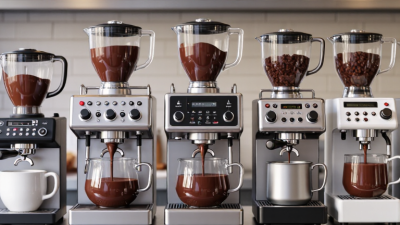
Hot chocolate machines generally fall into countertop dispensers, larger commercial urns, and automatic drink systems. A countertop dispenser suits a café serving steady cups throughout the day. Inside, a heated bowl keeps the drink warm while a whisk or agitator reduces settling. Larger urns hold more volume, but their output can be less consistent if staff do not stir and clean them regularly. Small details matter. A narrow tap, for example, may clog when the mix contains fine powder or thick ingredients.

Many machines use either powdered mix or liquid chocolate. Powder-based systems may meter ingredients with an auger, then blend them with heated water or milk. Automatic models can control temperature and portion size, while some use a pump to move liquid through internal lines. These features save labor, but add parts that need careful rinsing. For a buyer, check whether the machine maintains a serving temperature without scorching the drink, and whether its mixing system handles the recipe you actually plan to use. There is no perfect setup. A high-capacity unit may be excessive for a quiet shop, while a compact one can struggle during a rush. Some specifications look impressive on paper; daily cleaning tells a more useful story.

China’s Hot Chocolate Machine Manufacturing Industry

China Top Hot Chocolate Machine Manufacturers?
China’s Hot Chocolate Machine Manufacturing Industry

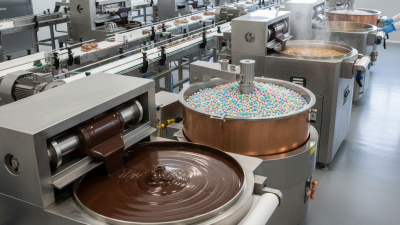
China’s hot chocolate machine manufacturing industry serves cafés, hotels, bakeries, and other food-service businesses. Equipment ranges from compact countertop dispensers to higher-capacity machines with heated tanks and mixing systems. Manufacturers may offer different voltages, output rates, and cleaning features, so buyers should compare specifications against real daily demand. A busy café needs steady serving temperature and quick recovery between cups. Details matter.

Production capabilities vary between factories. Some can adjust hopper size, controls, or exterior finishes, while others focus on standard models. Ask for clear information about food-contact materials, temperature control, power use, and maintenance access. Request a sample test or operating video where possible, and review the warranty and spare-parts process before ordering. I would not judge a machine by appearance alone; a polished display can hide awkward cleaning or inconsistent mixing.

Tips: Test the machine with the chocolate powder and milk you expect to use. Check how long it takes to heat, whether powder settles at the bottom, and how easily the tank and nozzle can be cleaned. Record these results; small omissions in a first test are easy to regret later.

China’s Hot Chocolate Machine Manufacturing Industry
Industry Dimension Industry Information Practical Consideration
Equipment category Commercial hot chocolate machines generally heat and agitate a prepared chocolate beverage to help keep it warm and evenly mixed. Check whether the equipment is designed for ready-to-serve drinks, rather than for melting or tempering solid chocolate.
Common machine formats Countertop heated dispensers and larger commercial beverage dispensers are common formats. Designs may use a heated bowl or tank with an internal stirring mechanism. Choose a format according to serving volume, available counter space, and how the beverage is replenished.
Heating and temperature control Commercial units commonly provide controlled heating; the control method and available temperature settings vary by model. Confirm the operating range, temperature-control method, and cleaning instructions in the product specification.
Mixing and dispensing Many dispensers use agitation to reduce settling, while a tap or dispensing valve provides portioned service. Ask whether the mixer can handle the intended recipe and whether the tap can be removed or disassembled for cleaning.
Capacity and output Available capacities differ across countertop and higher-volume models; output also depends on serving size, recipe, and refill frequency. Compare usable capacity and expected servings per hour rather than relying on tank volume alone.
Food-contact materials Food-contact parts may include stainless steel, food-grade plastics, and other materials specified for the model. Material selection is not uniform across the industry. Request material details for the tank, mixer, tap, seals, and any other parts that contact the beverage.
Cleaning and maintenance Chocolate beverages can leave residue in the tank, mixer, and dispensing path, so routine cleaning and accessible components are important design considerations. Review the cleaning procedure, removable parts, replacement seals, and availability of maintenance documentation.
Electrical requirements Voltage, frequency, plug type, and power consumption depend on the specific machine configuration and target market. Verify the rating label and confirm that the electrical specification matches the installation location before ordering.
Customization options Manufacturers may offer configuration choices such as capacity, control layout, materials, or electrical specifications, subject to the product and order requirements. Request a written specification that identifies the exact configuration, included accessories, and any customization limits.
Quality and compliance checks Applicable electrical and food-contact requirements depend on the destination market and the machine’s design. Compliance should be verified for the specific model. Ask for relevant test reports or conformity documents and confirm that they cover the model being purchased.
Typical commercial applications These machines are used in settings such as cafés, restaurants, hotels, catering operations, and self-service beverage areas. Match the equipment’s capacity, dispensing design, and cleaning requirements to the service environment.

Criteria for Evaluating Leading Chinese Manufacturers

A reliable evaluation starts with the machine’s actual performance, not a polished brochure. Ask for heating range, serving capacity, recovery time between cups, and power use. Request a live demonstration with real chocolate mix; watch for uneven texture, temperature swings, or residue around the dispensing nozzle.

Small details matter. Easy to miss.

Review materials that touch the drink, cleaning access, and the time needed for daily maintenance. Ask whether replacement parts are stocked and how technical support handles faults across different time zones. Check sample machines against the written specification, then confirm that production units will use the same components.

Numbers can mislead.

A high output figure may assume continuous operation, not a busy café’s stop-and-start routine. Request relevant test documents and clear warranty terms, and compare them with your operating needs. If the manufacturer answers technical questions vaguely, treat that as a reason to investigate further. No evaluation is perfect; a factory visit or independent inspection can still miss problems that appear after months of use.

How to Choose a Chinese Hot Chocolate Machine Manufacturer

Choosing a Chinese hot chocolate machine manufacturer starts with the drink you actually serve. A café using thick chocolate needs different heating and stirring performance from a kiosk using powdered mix. Ask for the working temperature range, batch capacity, and safeguards against scorching near the bowl’s base. Details matter. Request a demonstration using your recipe, not just water or a thin test mixture. Watch for uneven flow, burnt residue, and chocolate collecting around the scraper.

Check the machine’s materials, seals, welds, and finish around food-contact areas. Ask for material records, electrical specifications, and clear product drawings. A factory visit or live video walk-through can help you see assembly and quality checks. Test the unit at both low and high fill levels. Test it hot. Temperature readings from several points can reveal uneven heating, though one test may not predict every kitchen’s results. A polished brochure is not proof.

Discuss maintenance before comparing prices. Ask how quickly common parts, such as scrapers, seals, and heating elements, can be supplied. Review the warranty exclusions and confirm whether remote troubleshooting is available in your language. Request a written quotation that separates the machine, accessories, and shipping costs. Not always easy. A supplier may offer a lower price but weaker support; weigh that trade-off against your expected daily volume and the cost of downtime.