Top 10 Connectors and Clamps Every Buyer Should Know?
In the world of manufacturing and construction, "Connectors & Clamps" play a crucial role. These small but essential components ensure that various elements are securely joined. They affect not just functionality but also safety and reliability. According to industry expert Mark Anderson, "The right connectors and clamps can make or break an assembly." This highlights the significance of understanding these components deeply.
Choosing from a wide range of connectors and clamps can be overwhelming. Each type serves a specific purpose, from electrical connections to structural support. Misunderstanding their applications can lead to failures. This makes it essential for buyers to stay informed. Selecting the wrong component may result in costly repairs or safety hazards.
A keen eye for detail can make a difference. Understanding the specifications and materials can elevate the quality of a project. Many buyers overlook these aspects. The importance of connectors and clamps is often underestimated. This guide aims to shed light on the top ten must-know options. By doing so, we empower buyers to make informed choices.
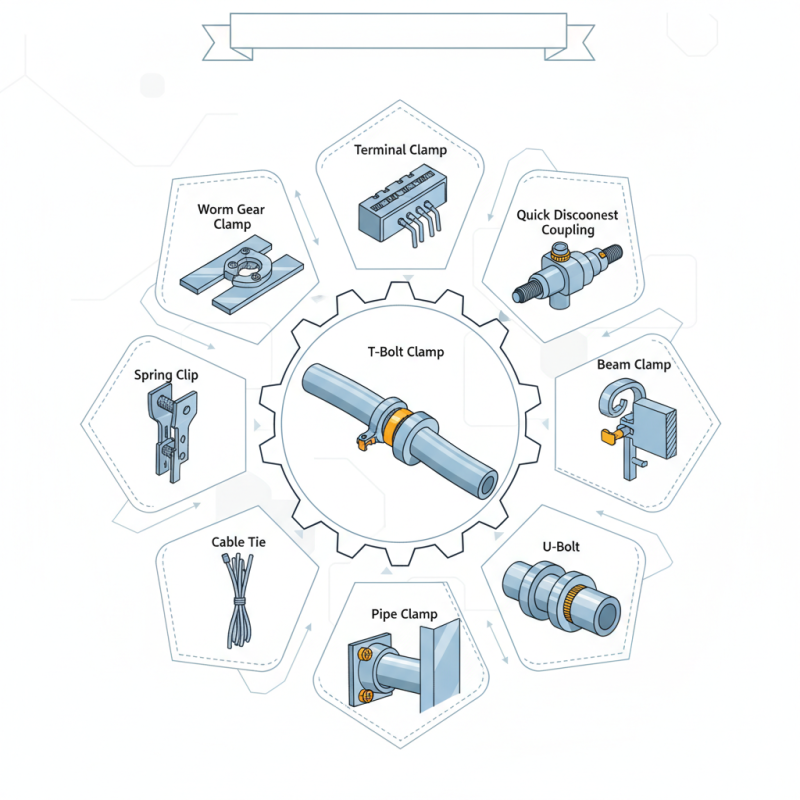
Top 10 Connectors and Clamps Essential for Industrial Applications
In industrial applications, connectors and clamps play a crucial role in ensuring safe and efficient operations. A report by MarketsandMarkets reveals that the global connectors market is projected to grow from $66.9 billion in 2020 to $104.4 billion by 2025. This growth signifies the increasing need for reliable solutions in various sectors, including manufacturing, automotive, and telecommunications.
Connectors help in establishing strong connections between devices, while clamps secure parts in place. These components must withstand rigorous conditions, such as high temperatures and vibrations. One needs to consider materials carefully. For instance, metal connectors often provide superior durability over plastic ones, especially in heavy-duty applications. In a recent survey, 70% of engineers reported that they experienced issues with inadequate fastening solutions in critical machinery, which underscores the importance of high-quality clamps.
Some challenges persist in choosing the right connector or clamp for specific applications. Compatibility issues between different materials can sometimes lead to failure. A lack of understanding of load capacities can result in poor performance. In fact, nearly 35% of companies indicated that they faced frequent equipment failures due to improper component selection. Investing in reliable components is not just a preference; it is essential for operational efficiency and safety in industrial environments.
Understanding Different Types of Connectors: A Comprehensive Overview
Connectors and clamps play a crucial role in various applications. Understanding the types helps in making informed decisions. There are several categories, each designed for specific functions. For instance, electrical connectors ensure reliable connections for power and signals. They come in various shapes and sizes, accommodating different needs.
Mechanical clamps, on the other hand, secure components in place. They are commonly used in plumbing and automotive applications. The choice of material is essential. Metal clamps provide strength, while plastic options offer corrosion resistance. Yet, not all clamps are created equal. Some may weaken over time or under extreme conditions.
Another aspect to consider is compatibility. Not every connector works with every application. Mismatched components can lead to failures or inefficiencies. It is important to consult specifications carefully. Regular inspections and maintenance of connectors and clamps can prevent unexpected issues. Understanding these elements helps ensure more reliable and durable connections.
The Role of Clamps in Ensuring Mechanical Stability and Safety
Clamps play a pivotal role in mechanical stability and safety across various applications. By securing components together, they help maintain alignment and prevent movement. This stability is crucial in constructions, machinery, and everyday applications. When components shift, it can lead to failures, accidents, or even catastrophic events. Clamps serve as the unsung heroes in ensuring everything remains in place.
Different types of clamps offer unique advantages. For example, C-clamps provide a strong grip for securing thick materials. However, improper use may lead to insufficient clamping force or damage to the workpiece. Another common clamp type is the spring clamp, which allows for quick adjustments. Yet, they may not hold heavier items securely. It's essential to choose the right clamp for the intended task.
Regular inspections of clamps are also vital. Over time, wear and tear can compromise their effectiveness. Users must be vigilant about identifying any cracks or deformities. After all, a seemingly small failure in a clamp can result in significant safety risks. In the quest for mechanical stability, effective clamp usage transcends mere selection; it requires ongoing diligence and informed choices.
Top 10 Connectors and Clamps Every Buyer Should Know
Key Material Properties of Connectors Affecting Performance and Durability
Connectors and clamps are vital components in various industries, playing key roles in electrical and mechanical systems. The material properties of these connectors directly impact their performance and longevity. For instance, metals like brass or copper often offer excellent conductivity but can tarnish over time. On the other hand, stainless steel may resist corrosion but lacks the same electrical properties.
Understanding the characteristics of these materials can aid in ensuring the right choice for specific applications. For example, connectors used in high-temperature environments must have superior thermal stability. In contrast, those exposed to moisture need robust anti-corrosion treatments. Manufacturers often struggle to balance cost and durability, sometimes leading to compromises that can affect end performance.
In practice, examining material specifications is crucial. The strength of a plastic connector might seem sufficient for light-duty applications but could fail under heavy loads. Moreover, every connection point must consider environmental factors, such as vibration or thermal expansion. This detailed understanding can help buyers make informed decisions, reducing the risk of failure and increasing overall system reliability.
Industry Statistics: Market Trends and Innovations in Connectors and Clamps
As the demand for reliable connectors and clamps grows, the industry is witnessing remarkable trends. The global market for these components has surged, driven by advancements in technology. Industries such as automotive and electronics are particularly influencing this growth. These sectors require higher-quality materials and advanced designs to meet performance standards.
Market statistics indicate a notable shift towards environmentally friendly materials. Many manufacturers are investing in sustainable production methods. This innovation not only reduces waste but also enhances product durability. However, the transition to greener options can be challenging and costly. Companies must navigate supply chain complexities and ensure consistent quality.
Emerging technologies, such as smart connectors, highlight the industry's future direction. These connectors offer enhanced functionality, including real-time monitoring. Nevertheless, the adoption of these advanced solutions faces hurdles, such as integration issues with existing systems. This marks an ongoing area for improvement, and stakeholders must be aware of the shifting landscape.
Top 10 Connectors and Clamps Every Buyer Should Know
| Rank | Connector/Clamp Type | Key Features | Market Share (%) | Growth Rate (%) |
| 1 | Industrial Connectors | Durable, weatherproof, high current capacity | 25 | 5.5 |
| 2 | Wire Rope Clamps | Secure gripping, lightweight, corrosion-resistant | 20 | 4.3 |
| 3 | USB Connectors | Universal compatibility, fast data transfer | 15 | 7.0 |
| 4 | Hose Clamps | Easy installation, versatile sizes, leak prevention | 12 | 3.8 |
| 5 | Circular Connectors | Space-saving design, robust sealing | 10 | 6.0 |
| 6 | D-sub Connectors | Reliable performance, multiple pin configurations | 8 | 4.5 |
| 7 | RJ45 Connectors | Network compatibility, easy handling | 7 | 9.2 |
| 8 | DIN Connectors | High performance, standardized interface | 6 | 3.0 |
| 9 | PCB Connectors | Compact size, various mounting options | 5 | 8.1 |
| 10 | Snap-on Clamps | Quick installation, adjustable range | 4 | 2.7 |
