Top Tips for Setting Up a Maize Processing Plant for Success?
Establishing a successful maize processing plant requires careful planning and execution. According to the Food and Agriculture Organization, maize production reached 1.2 billion tons in 2021. This staggering figure underscores the growing demand for maize products. Experts believe that understanding market dynamics is crucial. Dr. Samuel Okoye, a leading figure in grain processing, emphasizes, “Success in the maize industry hinges on efficient operations and quality control.”
Setting up a maize processing plant is not merely about purchasing equipment. It involves understanding the entire supply chain. Factors such as sourcing quality raw materials and adhering to safety regulations play a pivotal role. A report from the International Grains Council indicates that innovations in processing technology can significantly enhance productivity. However, many new operators struggle with these complexities.
In this context, it is important to recognize common pitfalls. For example, insufficient market analysis can lead to overproduction or waste. Moreover, many startups underestimate the importance of skilled labor. Reflecting on these aspects can guide new entrepreneurs in navigating the challenges of the maize processing sector effectively.
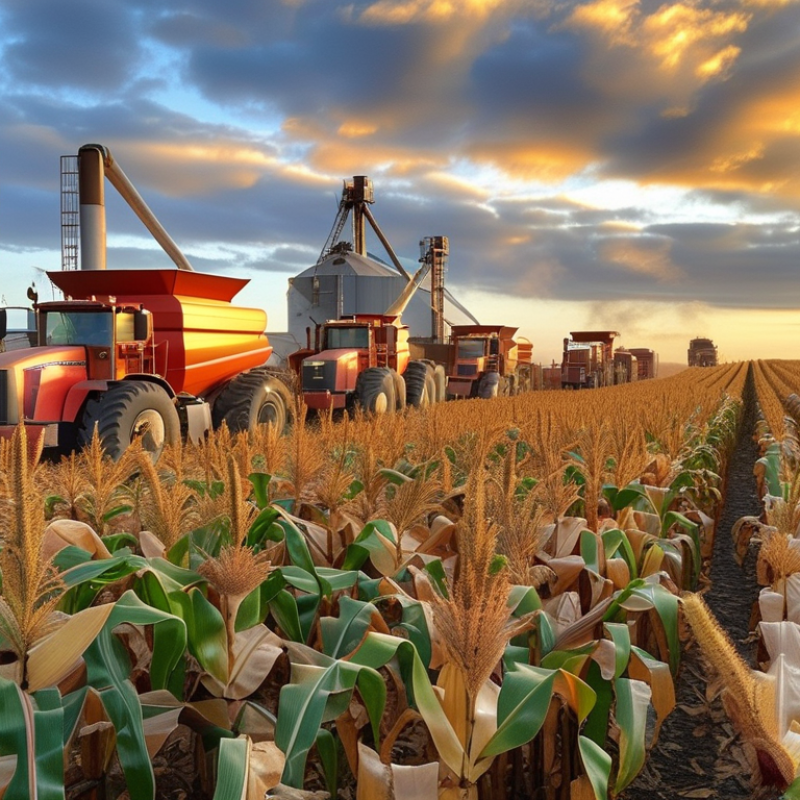
Identifying the Right Location for a Maize Processing Plant
Choosing the right location for your maize processing plant is crucial. It impacts production costs, transportation, and access to raw materials. A site near maize-producing regions is ideal. Proximity reduces logistics challenges and ensures freshness. Assess the availability of power, water, and transportation networks. Access to local roads can streamline supply chains.
Consider the labor market as well. A location with a skilled workforce can enhance operational efficiency. Additionally, examine community support for food processing initiatives. Local authorities may provide incentives. However, be aware of potential challenges. Sites may have varying regulations that can complicate setups. Understanding the legal landscape is essential for smooth operations.
Environmental factors matter too. Ensure the site is suitable for large machinery. Potential risks such as flooding or drought should be evaluated. It’s wise to conduct impact assessments. This can help avoid future complications. A thoughtful approach to location selection can pave the way for a successful maize processing venture.
Top Tips for Setting Up a Maize Processing Plant for Success
| Criteria | Details |
| Location Accessibility | Proximity to major roads and transport hubs to facilitate raw material delivery and product distribution. |
| Availability of Raw Materials | Proximity to maize fields or suppliers to ensure a steady supply of raw maize. |
| Labor Availability | Access to a skilled workforce familiar with processing operations. |
| Infrastructure | Availability of utilities like water, electricity, and waste disposal systems. |
| Market Proximity | Closer to markets for selling products, such as cities or industrial hubs. |
| Regulatory Environment | Understanding local regulations and support for agricultural businesses. |
| Land Costs | Consideration of land prices and taxes in the chosen region. |
| Community Support | Engagement the local community and potential partnerships. |
Assessing Equipment Needs and Technology for Efficient Processing
Setting up a maize processing plant requires careful planning and the right equipment. Identifying your equipment needs is crucial. Assess the scale of your operation first. Smaller plants may need simpler machinery. Larger operations will require more advanced technology. Consider the various stages of processing, such as cleaning, milling, and packaging. Each stage demands specific machines for optimal performance.
Technology plays a critical role in efficiency. Investing in modern equipment can enhance productivity. Automated processes can reduce labor costs and minimize human error. Exploration of technology solutions like computer-controlled milling systems could yield better results. However, choose wisely. Overly complex systems may lead to maintenance challenges. Simplicity can sometimes deliver better, more reliable outcomes.
Training staff is equally important. Well-trained personnel will maximize equipment usage and ensure safety. Sometimes, even the best machines fail if users don’t understand their functions. Continuous education on new technologies can keep operations streamlined. Reflection on past processes reveals that miscommunication often leads to inefficiencies. Prioritizing both equipment and staff training promotes a stronger foundation for processing success.
Developing a Comprehensive Business Plan for the Plant
Creating a comprehensive business plan is essential for a successful maize processing plant. A strong business plan outlines objectives and strategies. It should include market analysis, financial projections, and operational strategies. Understanding market demand for maize products is crucial. Research local and international markets to identify trends that may impact your plant.
Next, focus on your operational framework. Detail the production process, from raw materials sourcing to final product distribution. Identify key suppliers and outline your procurement strategy. Consider logistical aspects as well, such as transportation and storage. Implementing efficient processes is vital. Reflect on potential bottlenecks and think about solutions ahead of time.
Financial planning is another integral part of your business plan. Develop a budget that covers initial capital investments and operating costs. Anticipate variables and create contingency plans. It's important to revisit and revise your plan regularly. The market changes, and so should your strategy. Flexibility is key to long-term success in this industry.
Maize Processing Plant Production Analysis
Understanding Regulatory Requirements and Compliance Standards
Setting up a maize processing plant requires careful consideration of regulatory requirements. Compliance with health and safety standards is crucial. In the U.S., the Food and Drug Administration (FDA) regulates food processing. Their guidelines emphasize cleanliness, safety protocols, and proper labeling. According to a report from the USDA, 80% of maize processing facilities that adhere to these regulations see a significant decrease in compliance-related issues.
Local regulations may vary. Each state has its own set of rules governing food safety and environmental impact. Engaging with local agricultural departments helps ensure compliance with these laws. An inability to meet state-specific requirements can lead to costly fines. The National Association of State Departments of Agriculture (NASDA) reports that non-compliance rates can reach up to 30% in new processing plants.
Another critical aspect is understanding packaging requirements. Proper packaging helps maintain product quality and shelf-life. The International Institute of Food Technologists (IIFT) notes that 65% of consumers consider packaging as a significant factor in their purchasing decisions. Balancing regulatory standards with market needs can be challenging. Continuous training and workshops for staff can prevent compliance lapses. Regular audits also help identify areas for improvement.
Establishing Quality Control Measures for Product Consistency
Quality control is paramount in maize processing plants. Establishing consistent standards ensures that every batch meets consumer expectations. In a recent industry report, over 65% of processors cited quality control as a significant factor in their production success. Effective measures can reduce spoilage and waste, which are critical for profitability.
Implementing a robust quality control system involves several stages. Monitoring humidity levels in storage facilities is crucial. Excess moisture can lead to mold, compromising the product's quality.
Regular testing for mycotoxins is essential, as they can pose health risks. The FDA states that mycotoxin contamination affects up to 30% of the global maize supply. Investing in advanced testing equipment and staff training can improve outcomes.
Documenting processes is equally important. Establishing logs for each production phase creates traceability. This documentation can aid in identifying issues when they arise. One survey found that 58% of facilities lack proper record-keeping practices, which can lead to unnecessary challenges. Quality control is not just about prevention; it's about continuous improvement and adaptation to changing standards in the industry.
