What is Sintered Porous Metal Filters and How to Use Them?
Sintered Porous Metal Filters have gained significant attention in industrial applications. These innovative filters offer unique solutions for fluid and gas filtration. According to Dr. Emily Johnson, a leading expert in filtration technologies, "Sintered porous metal filters provide unparalleled efficiency and durability." This statement highlights their relevance in high-demand settings.
These filters are created through a process that combines powdered metals and high-heat sintering, producing a strong, porous structure. The result allows for effective separation of solids from liquids and gases. Industries like aerospace, pharmaceuticals, and oil and gas rely heavily on these filters for precision and reliability.
However, selecting the right filter is crucial. Variability in pore size and material composition can lead to significant performance differences. Users must understand their specific needs, as a poorly chosen filter may compromise a system's efficiency. Knowledge of the application is essential for optimal results.
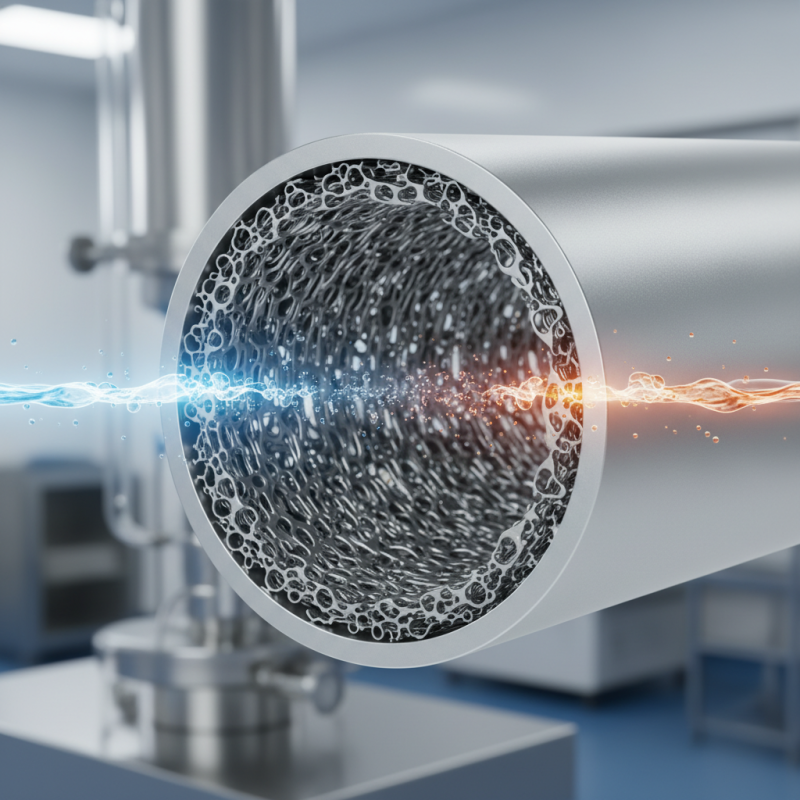
Definition and Characteristics of Sintered Porous Metal Filters
Sintered porous metal filters are specialized filtration devices made from metal powders. These filters are created through a process called sintering, where metal particles are fused together under heat and pressure. This technique produces a material that possesses interconnected pores, allowing for the passage of liquids or gases while trapping particles. The result is a highly durable and reliable product suitable for a variety of industrial applications.
One key characteristic of sintered porous metal filters is their ability to operate in high-temperature and high-pressure environments. Unlike traditional filters, which can deteriorate over time, sintered metal filters maintain their structure and effectiveness. They can achieve precise filtration levels while providing consistent flow rates. The porosity can be tailored to meet specific filtration needs, which makes these filters versatile for different industries, like aerospace, automotive, and pharmaceuticals.
However, these filters are not without their challenges. The manufacturing process can be complex, and achieving the desired pore size may require careful calibration. Improper sintering can lead to defects that compromise performance. Also, while durable, sintered porous metal filters can be more expensive than other materials, thus impacting budget considerations. Understanding these nuances is crucial for optimizing their use in various applications.
Common Materials Used in Sintered Porous Metal Filter Fabrication
Sintered porous metal filters are widely used in various applications due to their robust properties and reliable performance. The fabrication of these filters often involves materials such as stainless steel, bronze, and titanium. Stainless steel offers excellent corrosion resistance and strong structural integrity. Reports indicate that more than 50% of sintered metal filters utilize stainless steel due to its versatility.
Bronze, another common material, is preferred in specific applications. It provides a desirable balance between strength and resistance to certain environmental conditions. Titanium, while more expensive, is chosen for its lightweight characteristics and high strength-to-weight ratio. This makes it ideal for aerospace and medical applications.
Tip: When selecting materials for fabrication, assess the specific needs of your application. Environment, flow rates, and budget constraints all play crucial roles.
Some filters might not perform as expected under extreme conditions. This can lead to operational inefficiencies. Regularly evaluating the performance of your sintered porous metal filters is essential. Utilize performance data to refine material choice and design parameters. This can save costs and improve overall system reliability.
Sintered Porous Metal Filters - Material Distribution
Applications of Sintered Porous Metal Filters in Various Industries
Sintered porous metal filters play a crucial role in various industries. Their ability to effectively filter liquids and gases makes them highly versatile. In the automotive sector, these filters are used to purify fuel and air. This enhances engine efficiency and reduces harmful emissions. They withstand high temperatures and harsh environments, which is essential in high-performance engines.
In the pharmaceutical industry, sintered filters ensure the cleanliness of drug products. They remove impurities that could compromise product integrity. This adds another layer of safety in drug manufacturing. Additionally, in water treatment plants, these filters serve a vital function. They help in removing sediments and contaminants from water sources, contributing to safer drinking water.
Despite their advantages, challenges exist. One common issue is clogging, which can reduce flow rates. Regular maintenance and monitoring are necessary to address this. Industry professionals need to continually assess filter performance and make adjustments as needed. This ongoing evaluation is essential to maximize efficiency and reliability.
Step-by-Step Guide on Installing Sintered Porous Metal Filters
Installing sintered porous metal filters requires careful attention to detail and specific steps to ensure optimal performance. Start by selecting the right filter size based on your application. The filtration efficiency varies with pore size. For example, filters with a 5-micron pore size can achieve 99.9% efficiency in many applications. This high level of efficiency is crucial in industries such as pharmaceuticals and food processing, where contamination must be minimized.
Preparation is key before installation. Ensure that the surfaces where the filter will be installed are clean and free of debris. Use a soft cloth to wipe down surfaces.
Next, it’s essential to check the alignment of the filter with the housing. Misalignment can cause leaks or reduced efficiency. You should also consider using a torque wrench to tighten the fittings. Industry reports indicate that improper installation can lead to up to 30% loss in filter effectiveness over time, emphasizing the importance of these steps.
After installation, carry out a pressure test. This step ensures that there are no leaks. If leaks are detected, recheck the fittings and alignment. Regular maintenance checks every six months are recommended. This not only prolongs the life of the filter but also ensures consistent performance. Remember, even minor issues can escalate into significant problems.
Maintenance and Longevity Tips for Sintered Porous Metal Filters
Sintered porous metal filters are designed for high durability and efficiency. Proper maintenance is key to maximizing their lifespan. A report from the International Filtration Society indicates these filters can last up to 10 years with proper care.
Regular inspection should not be overlooked. Check for clogs or buildup. A simple rinse can clear particles. Avoid aggressive cleaning methods, as they may damage the filter. Using compatible cleaning agents can enhance performance.
Pay attention to operating conditions. High temperatures or excessive pressure can degrade the filtering material. Always follow the manufacturer’s specifications for optimal use. Tracking the system's performance can identify potential issues early on.
Here are some tips for maintaining your filters:
- Clean regularly to prevent blockage.
- Use filters within recommended temperature ranges.
- Keep an eye on pressure drops.
By implementing these practices, you can extend the longevity of your sintered porous metal filters while ensuring efficient operation.
What is Sintered Porous Metal Filters and How to Use Them? - Maintenance and Longevity Tips for Sintered Porous Metal Filters
| Filter Type | Material | Porosity (%) | Max Operating Temperature (°C) | Applications | Maintenance Tips |
| Standard Sintered Filter | Stainless Steel | 20 | 300 | Liquid Filtration | Regular cleaning with compressed air; Replace every 5 years |
| Micro Sintered Filter | Bronze | 30 | 250 | Air Filtration | Inspect for clogging monthly; Soak in solvent for deep cleaning |
| Coarse Sintered Filter | Carbon Steel | 10 | 450 | Fuel Filtration | Clean periodically with a pressure washer; Check for wear every year |
| High-Performance Sintered Filter | Alloy Steel | 15 | 600 | Chemical Processing | Use ultrasonic cleaning for complex geometries; Replace filters every 2-3 years |
