What is a Pressure Compensating Dripper and How Does It Work?
In the realm of irrigation technology, the "Pressure Compensating Dripper" stands out as a pivotal innovation. This device ensures uniform water distribution, regardless of changes in pressure. Leading expert, Dr. Emily Carter, observes, “Pressure Compensating Drippers are crucial for efficient irrigation in varying terrain.” Her insights underscore the importance of maintaining consistency in water flow.
Understanding how this technology functions is essential. A Pressure Compensating Dripper adjusts the flow rate automatically based on system pressure. This feature helps reduce water waste and promotes healthier plants. With the climate crisis intensifying, such advancements offer measurable solutions. Farmers and landscapers alike benefit from tailored irrigation that fosters sustainable practices.
However, challenges persist. Installation can be complex, and systems require regular maintenance to function optimally. Additionally, some users may struggle to understand the technical specifications. The journey to mastering this technology demands ongoing education and adaptability. Embracing these challenges can lead to more efficient water use and better crop outcomes.
What is a Pressure Compensating Dripper?
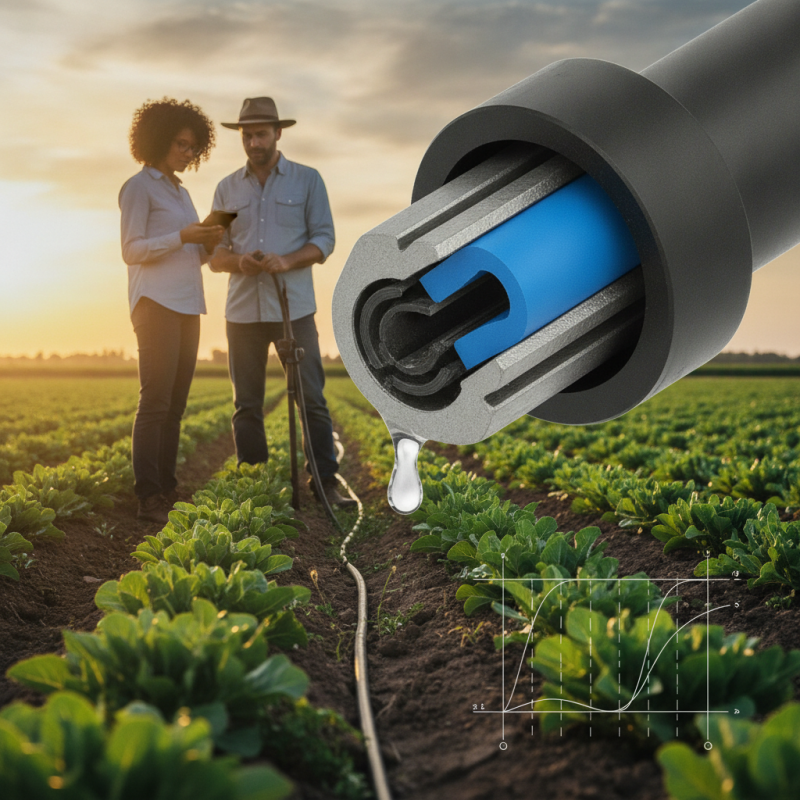
A pressure compensating dripper is a specialized irrigation device designed to maintain a consistent flow of water, regardless of changes in pressure. This is crucial in ensuring that all plants receive an even distribution of water. It operates through a built-in mechanism that adjusts the flow rate based on the pressure available in the system.
In various terrains, such as sloped areas, pressure variations can lead to uneven watering. Some plants may end up too dry while others are overwatered. The pressure compensating dripper aims to alleviate this issue. It ensures that every dripper emits the same amount of water, even when the pressure fluctuates. This technology is especially useful for farmers and gardeners who need reliable irrigation methods.
The efficiency of these drippers can greatly affect water conservation efforts. They minimize water wastage and can improve plant health. However, it's vital to understand their limitations. Installation can be tricky if not done correctly, leading to future complications. Regular maintenance is also required to keep them functioning effectively. While pressure compensating drippers offer many benefits, users must be aware of the nuances involved in their use.
What is a Pressure Compensating Dripper and How Does It Work?
| Dimension | Description | Value |
| Flow Rate | The amount of water delivered by the dripper, usually measured in liters per hour (L/h) | 2.0 L/h |
| Operating Pressure | The range of pressure in which the dripper operates effectively | 0.5 - 4.0 bar |
| Emitting Uniformity | The consistency of water distribution from the dripper | 90% |
| Material | The type of material used for the dripper | Plastic (Polyethylene) |
| Application | The types of systems or crops suitable for this dripper | Orchards, Vineyards, Greenhouses |
Key Components of Pressure Compensating Drippers
Pressure compensating drippers are essential tools in modern irrigation systems. They regulate water flow, ensuring consistency regardless of changes in pressure. This functionality greatly benefits plants, providing them with a stable and adequate supply of water.
Key components of pressure compensating drippers include the flow control mechanism and an integral diaphragm. The flow control mechanism adjusts the water flow based on pressure variations. It allows water to exit the dripper at a steady rate. This constancy is crucial for crop health, as uneven watering can lead to stress or poor growth. The diaphragm, often made of flexible material, responds to pressure and balances the system efficiently.
Additionally, these drippers may have built-in filters. They help prevent clogging, a common issue in irrigation systems. Without proper filtration, debris can obstruct water flow. Regular maintenance is needed, reminding us of the importance of system upkeep. Not all drippers perform equally, highlighting the need for careful selection based on specific agricultural needs.
How Pressure Compensating Drippers Operate
Pressure compensating drippers are vital components in modern irrigation systems. They ensure that each plant receives a consistent amount of water, regardless of variations in pressure. This is essential for maintaining healthy crops and optimizing water usage. The drippers maintain a uniform flow rate even when the pressure fluctuates, which often occurs in large irrigation setups.
The operation of these drippers relies on a unique, internal mechanism. A diaphragm inside the dripper adjusts the water flow according to pressure changes. When the pressure is low, the diaphragm opens wider, allowing more water to flow through. Conversely, when the pressure rises, it reduces the opening to maintain the set flow rate. This design minimizes over- and under-watering issues, proving crucial in Agricultural Practices.
While pressure compensating drippers are effective, they are not without challenges. Over time, they can become clogged with debris, leading to uneven watering. Regular maintenance is necessary to keep them functioning optimally. Additionally, their effectiveness can diminish if not properly matched to the irrigation system’s design. Evaluating these systems ensures they fulfill their role efficiently, providing reliable water distribution.
Benefits of Using Pressure Compensating Drippers
Pressure compensating drippers are essential for efficient irrigation systems. They ensure a consistent flow rate, regardless of pressure fluctuations in the system. This technology is particularly beneficial for sloped terrains. Research shows that uneven water distribution can lead to up to 30% water waste in traditional systems. By using pressure compensating drippers, growers can significantly reduce this waste and promote healthier plants.
The benefits of pressure compensating drippers extend beyond water conservation. According to a study by the Irrigation Association, using these drippers can increase crop yield by up to 20%. This is due to improved water availability at the root zone. Additionally, they help in reducing soil erosion. When water is applied evenly, it minimizes runoff. In areas prone to drought, efficient irrigation becomes crucial. Pressure compensating drippers can facilitate more controlled water usage, which is vital for maintaining crop productivity under water-scarce conditions.
Nevertheless, it's important to consider that implementing pressure compensating technology can involve higher upfront costs. Farmers must weigh these costs against potential water and yield savings. Regular maintenance is also required to avoid clogging, which can compromise efficiency. A thoughtful approach is essential in adopting this technology to ensure it meets specific agricultural needs effectively.
Applications of Pressure Compensating Drippers in Irrigation Systems
Pressure compensating drippers are vital components in modern irrigation systems. They offer efficient water delivery, ensuring consistent output under varying pressure conditions. This makes them ideal for uneven terrains. Farmers value these drippers for their ability to maintain a uniform flow, operating effectively even at lower pressures. In drought-prone areas, this technology can significantly enhance crop yields.
The applications of pressure compensating drippers span various agricultural practices. They are commonly used in orchards, vineyards, and greenhouses. Each setting benefits from the drippers' precision. For example, in orchards, these devices allow for targeted watering. This minimizes water waste and optimizes nutrient delivery to the roots. Alongside, they help reduce labor costs by automating the irrigation process. However, improper installation can lead to uneven distribution, presenting a challenge that growers need to address.
In specialty crops, the adaptability of these drippers is crucial. They allow for varied spacing and row configurations, helping to tailor irrigation strategies. Nonetheless, reliance on a single method may overlook potential improvements. Continuous evaluation of their performance can reveal opportunities for enhancements. Balancing efficiency and sustainability remains a key focus in the industry. Embracing ongoing learning will enable better decision-making in water management practices.
