How to Choose the Right Traction Lift for Your Building?
Choosing the right Traction Lift begins with understanding the building, not selecting the newest model. A residential tower, hotel, hospital, and warehouse create very different demands. Passenger flow, travel height, car capacity, speed, stopping frequency, and available shaft space all matter. So does the building’s future. A lift sized for today may struggle after occupancy grows.
Elevator historian and consultant Dr. Lee Gray has stated, “A lift is never just a machine; it is part of a building’s social and architectural life.” This perspective is easy to overlook. A Traction Lift affects waiting times, energy use, noise levels, accessibility, and daily comfort. Imagine residents carrying groceries while waiting beside a slow car. Small delays become frustrating routines. In a hospital, the consequences can be more serious.
A practical decision should begin with a traffic study and a clear duty profile. Engineers should compare geared and gearless systems, machine-room and machine-roomless layouts, regenerative drives, emergency operation, and maintenance access. Local safety requirements must also guide the design. However, technical specifications alone cannot guarantee success. Poor shaft planning, unrealistic traffic assumptions, or weak after-sales support may undermine an excellent product.
There is no perfect choice.
The strongest evaluation balances performance, lifecycle cost, reliability, and passenger experience. It also questions attractive promises. A lower purchase price may conceal higher energy consumption or difficult repairs. Building owners should request verified data, service response details, warranty terms, and references from comparable projects. Careful selection today can make the Traction Lift safer, quieter, and more dependable for many years.
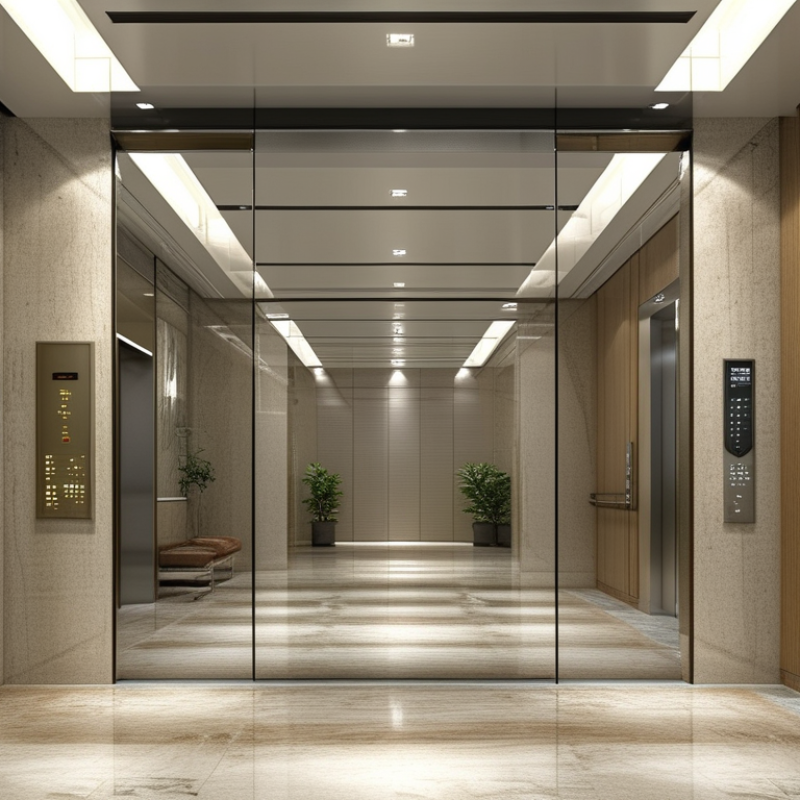
Building Requirements That Shape Traction Lift Selection
How to Choose the Right Traction Lift for Your Building?
Building Requirements That Shape Traction Lift Selection
A traction lift should match the building, not only its advertised speed. During site assessments, engineers examine travel height, number of stops, passenger flow, and available shaft space. A twelve-storey office needs different performance from a six-storey residential building. Peak traffic matters. So does waiting time.
Measure the shaft carefully. A narrow pit, low overhead, or limited machine-room space can restrict equipment choices. Structural capacity also deserves attention, especially in older buildings. Electrical supply, emergency power, fire strategy, and local accessibility requirements must be reviewed early. Smooth acceleration may be more valuable than maximum speed in a hospital or care facility. In busy offices, destination control and efficient dispatching can reduce queues, but these systems require accurate traffic data.
Tips: Record morning and evening traffic patterns before selecting capacity. Check pit depth, overhead clearance, door width, and car dimensions on site. Ask an independent lift consultant to verify calculations and maintenance access. Do not rely on drawings alone. They can be outdated. I have seen small measurement errors create expensive redesigns. A practical selection also considers climate, dust, humidity, and the availability of trained technicians. Energy-saving features are useful, but reliability, service access, and safe evacuation procedures should remain central. Perhaps the first specification will need revision. That is normal.
Assessing Load Capacity, Speed, and Travel Distance
How to Choose the Right Traction Lift for Your Building?
Assessing Load Capacity, Speed, and Travel Distance
Load capacity should match real building use, not an optimistic average. Count passengers, maintenance equipment, delivery carts, and occasional heavy items. A residential lift may carry eight people, while an office lift may face constant movement during morning arrivals. Include a safety margin, but avoid excessive capacity. An oversized car can increase structural and energy demands.
Speed affects waiting time and comfort. Faster is not always better. A lift traveling 1.5 meters per second may suit a mid-rise office, while a taller building may require greater speed. Measure peak traffic, floor count, and expected stops. Door opening time matters too. A quick lift can still feel slow with crowded landings.
Travel distance influences the traction system, motor selection, and shaft design. Longer travel usually requires careful control of acceleration, braking, and leveling. The top floor may need extra overhead space. The pit may also need greater depth. Local building requirements must be checked by a qualified lift engineer. Site surveys often reveal overlooked limits, such as weak floor structures or restricted machine-room space.
A neat calculation can still be wrong. Building use changes over time. Recheck the lift after tenant expansion, renovation, or new delivery patterns. Choose based on measured traffic and verified dimensions, not habit.
Matching the Lift to Your Budget, Building, and Future Plans
Choosing a traction lift begins with the building, not the brochure. In a six-storey office, daily traffic may justify a faster system. In a small apartment block, a simpler lift can protect cash flow. Measure shaft dimensions, pit depth, headroom, and electrical capacity before requesting quotes. These details often change installation costs more than expected. Ask an experienced lift consultant to review drawings and accessibility requirements. A low purchase price means little if structural alterations consume the contingency budget. Keep 10 to 15 percent aside for unexpected work.
Your budget should include energy use, inspections, servicing, and component replacement. An efficient traction lift may cost more initially, yet reduce long-term operating expenses. Request a five-year cost estimate, not only the equipment price. It should show maintenance visits, emergency response terms, and expected downtime. Small details matter. A clinic may need dependable access during busy mornings. A residential building may value quiet operation more than maximum speed. Do not over-specify capacity without evidence. Unused performance still carries a cost.
Think beyond today's occupancy. Will the building add apartments, offices, or heavier deliveries? If yes, allow space for future controls, higher traffic, or a larger car where feasible. Retrofitting later can disturb tenants and damage finished interiors. I once underestimated delivery access during a renovation, and the installation schedule slipped. That mistake changed how I assess lift projects. Ask for a clear programme, warranty scope, safety documentation, and named responsibilities. Compare whole-life value with the building's actual use and realistic future plans.
How to Choose the Right Traction Lift for Your Building?
Compare representative planning indicators for common traction lift configurations. A lower budget index generally suits cost-sensitive projects, while higher-speed systems are better aligned with taller buildings and long-term capacity planning.
Indicative planning values: the budget index uses a conventional geared traction lift as a 100-point baseline. Actual costs, speeds, and suitable building heights vary with capacity, travel distance, traffic demand, local regulations, installation conditions, and selected specifications.
