How to Choose the Right Blind Flange for Your Needs?
Choosing the right Blind Flange for your piping system is crucial. Statistics from the American Society of Mechanical Engineers show that improper flange selection can lead to costly leaks and system failures. Industry expert John Smith, a veteran engineer with over 20 years of experience, emphasizes, "The right blind flange can make or break the integrity of your system."
Blind flanges play a significant role in pipeline management. They provide a secure closure for pipe ends, ensuring safety and functionality. However, many users face challenges in selecting the appropriate type. Factors like pressure rating, material compatibility, and size must align with your specific needs. A miscalculation can result in operational inefficiencies or even hazardous situations.
Understanding these aspects can be confusing. Various materials, such as stainless steel or carbon steel, have different performance characteristics. Moreover, each application may come with unique requirements. Thus, it's vital to research and consider expert advice to avoid costly mistakes. The right blind flange ensures reliability and peace of mind in your operations.
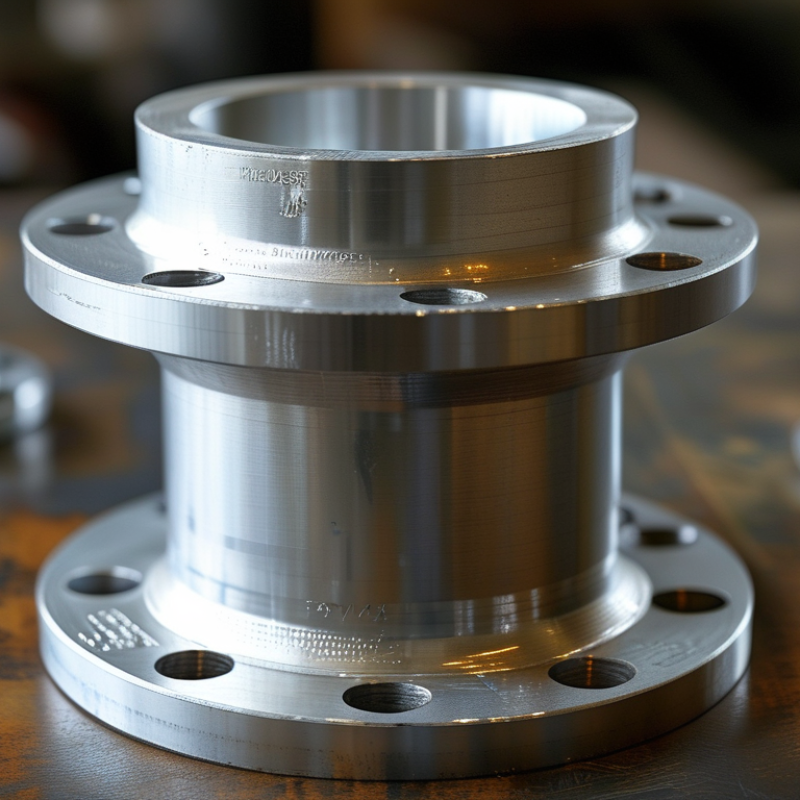
Understanding the Purpose and Function of Blind Flanges
Blind flanges serve a crucial role in piping systems. They are designed to cover the end of a pipe, providing a secure closure. This prevents the flow of liquid or gas, ensuring safety and integrity. Commonly used in various industries, such as oil and gas, blind flanges help isolate sections of a pipeline for maintenance. Understanding their function is vital for selecting the right type.
When considering blind flanges, it’s essential to evaluate several factors. The size and pressure rating of the flange must match your pipeline. Material selection is also important. Stainless steel, carbon steel, and plastic are common choices. Each material offers different benefits. For example, stainless steel resists corrosion well, while carbon steel is durable and cost-effective.
While blind flanges seem straightforward, there are challenges. Misalignments can cause leaks, leading to potential hazards. Not all blind flanges fit every application perfectly. An incorrect fit can result in significant operational issues. Regular inspections and adjustments are necessary to maintain system efficiency. Therefore, understanding the specific needs of your application is crucial for effective usage.
Identifying the Key Material Types for Blind Flanges
When selecting the right blind flange, material choice plays a critical role. Common materials include carbon steel, stainless steel, and alloy steel. According to industry reports, carbon steel blind flanges are widely used due to their excellent strength and affordability. They are ideal for low-pressure applications and environments that do not corrode easily. However, selecting carbon steel may lead to long-term issues if corrosion is a risk, which must be considered carefully.
Stainless steel is another popular option. It offers superior corrosion resistance and is suitable for high-pressure situations. A report from the American Society of Mechanical Engineers indicates that stainless steel blind flanges account for over 30% of the market in corrosive environments. While it is more expensive, its longevity can offset initial costs in critical applications. It’s essential to weigh these factors against the specific needs of your project.
Alloy steels offer additional strength and wear resistance, especially in extreme temperatures. However, they can be more complex to source and may require special handling. Many engineers face dilemmas when selecting the right type of flange, often because they overlook environmental factors. Assessing the specific conditions your blind flange will face is crucial. Making a choice without thorough evaluation may lead to unexpected failures.
Evaluating Size and Pressure Rating Considerations
When selecting a blind flange, size and pressure rating are crucial. The right size ensures a perfect fit in your piping system. Too large can lead to leaks, while too small compromises flow. Measure accurately. Use calipers or tape measures. Consider flange standards for reliable sizing information.
Pressure ratings specify how much pressure the flange can handle. Higher ratings mean better durability but can be more expensive. Ensure the flange matches your system's working pressure. For example, ANSI or ASME standards define these pressure ratings clearly. If unsure, consult an expert.
Remember, using the wrong size or pressure rating can lead to severe issues. Flanges under pressure may warp or fail entirely. This not only risks system efficiency but also safety. Do thorough assessments before you make a decision. Balancing cost and safety is key.
Analyzing Different Applications and Industry Standards
Choosing the right blind flange requires careful consideration of various applications. Different industries have specific needs that dictate the type of flange required. For example, high-pressure systems may need robust materials such as steel. In contrast, certain chemical plants may require flanges made from corrosion-resistant alloys.
When analyzing industry standards, it’s essential to refer to guidelines set by organizations such as ASME and ANSI. These standards provide detailed specifications for dimensions and pressure ratings. Understanding these helps ensure safety and performance. Ignoring these criteria can lead to unforeseen failures, compromising operational integrity.
Moreover, the application context plays a crucial role. Some flanges are designed for static conditions, while others must endure dynamic pressures. Environmental factors, such as temperature and exposure to chemicals, also affect flange selection. A blind flange not suited for these factors can lead to costly repairs and system downtime. Always weigh the unique requirements of your system against available options.
Selecting the Right Manufacturer or Supplier for Quality Assurance
When selecting a manufacturer or supplier for blind flanges, quality assurance is key. An industry report from the American Society of Mechanical Engineers (ASME) shows that approximately 30% of failures in piping systems stem from defective components. Choosing the right supplier can significantly mitigate this risk. Look for manufacturers that follow stringent quality standards like ISO 9001. This certification indicates a commitment to consistent quality management.
Durability and compatibility are vital when evaluating suppliers. Review their material specifications and testing methods. According to a study conducted by the American Institute of Steel Construction, the longevity of flanges can vary by over 40% based on manufacturing processes. Focus on suppliers with a proven track record in your specific industry. Seek testimonials and request product samples.
Don't overlook the importance of customer service and support. Reports indicate that 60% of buyers prefer suppliers that provide technical assistance. This can be crucial in ensuring proper installation and maintenance. Always have an open line of communication with your supplier. It is also important to reflect on your own needs regularly. As projects evolve, so too should your criteria for supplier selection.
