How to Choose the Best Casement Door for Your Home?
Choosing the best Casement Door for your home involves various critical factors. With the door and window market estimated to reach over $250 billion by 2027, understanding your options is crucial. Casement doors are particularly popular due to their energy efficiency, ease of operation, and aesthetic appeal. According to the American Architectural Manufacturers Association, casement doors can contribute to reducing energy costs by up to 15%.
These doors usually open outward, providing maximum ventilation. This design allows for unimpeded light entry while enhancing your home's curb appeal. However, not all casement doors are created equal. Material choices range from durable fiberglass to elegant wood, with each option offering unique benefits. Homeowners must consider the local climate and maintenance needs, as these factors affect the long-term performance of the door.
It's essential to reflect on the installation process as well. While many homeowners opt for DIY methods, hiring a professional can ensure proper fit and function. Inadequate installation may lead to issues such as air leaks. Therefore, weighing the pros and cons, along with seeking advice from industry professionals, can guide you toward making an informed decision on the best casement door for your home.
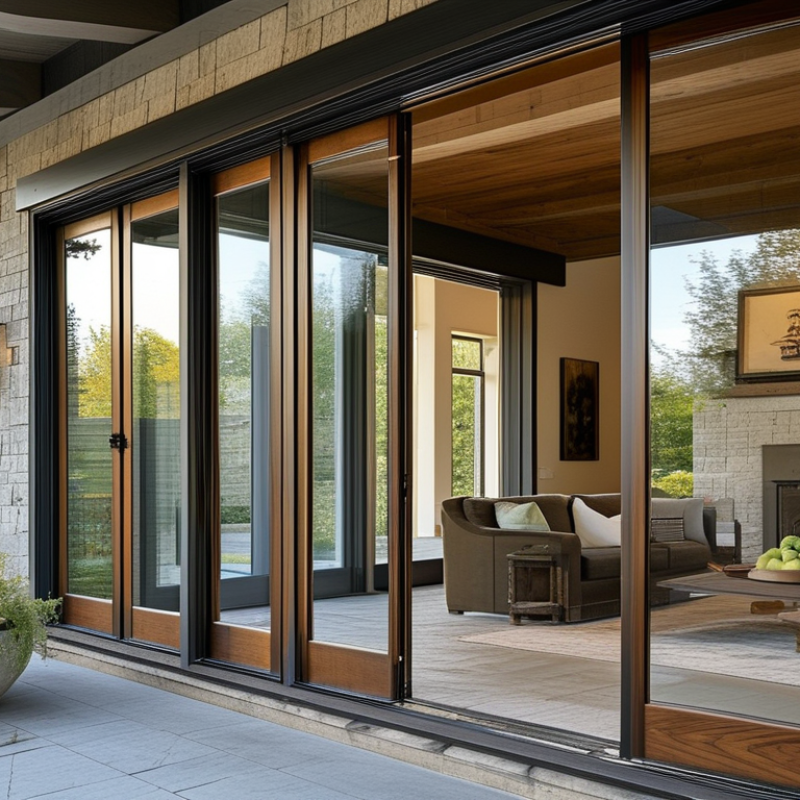
Understanding Casement Doors and Their Benefits
Casement doors are a popular choice for homeowners. They offer unique benefits that enhance both function and aesthetics. One of the primary advantages is their ability to provide excellent ventilation. Research shows that casement doors can create a cross-breeze, improving indoor air quality. They allow more airflow compared to non-opening doors, making your home feel fresher.
In terms of energy efficiency, casement doors have a good reputation. The American Institute of Architects reports that properly installed casement doors can reduce energy costs by up to 25%. Their tight seal when closed minimizes air leakage. This can lead to lower heating and cooling expenses over time. However, it’s essential to consider potential downsides. Regular maintenance is necessary to ensure the mechanisms and seals function correctly.
Design flexibility is another benefit of casement doors. They come in various styles and materials, allowing customization to suit your home’s decor. They can complement traditional and modern designs alike. However, it’s vital to choose quality materials to avoid issues such as warping or fading. This choice could impact durability and require future replacements. Ensuring the right fit and design is crucial for long-term satisfaction.
Evaluating Your Home's Style and Architecture
Choosing the right casement door is crucial for enhancing your home's style. When evaluating your home's architecture, consider the existing design elements. Is your home modern or traditional? This question influences the style of your casement door. A modern home might benefit from sleek lines and minimalistic features. A classic home could shine with ornate details and rich materials.
Tips: Examine your home’s color palette. A door that contrasts well can create a striking entry point. Think about function too; larger glass panels can invite more natural light, making smaller spaces feel airier.
Architectural details matter. If your home has specific moldings, ensure your door complements these features. Consider scale and proportion as well. An oversized door can overwhelm a small entryway. On the flip side, a petite door may look lost on a grand façade.
Tips: Look for custom sizing options. This ensures you maintain balance and aesthetics. Take time to visualize how different styles interact with your home’s character. Reflecting on these aspects will lead to better choices. A well-chosen casement door can elevate your home’s overall charm.
Analyzing Popular Casement Door Styles for Home Architecture
Choosing the Right Material for Your Casement Door
When selecting the right material for your casement door, consider durability and energy efficiency. Reports show that fiberglass and vinyl doors can offer superior insulation compared to wood. This means better energy savings over time. In fact, homes with energy-efficient doors can see a reduction in heating and cooling costs by up to 20%.
Wooden doors provide aesthetic appeal but may be less energy-efficient. They require regular maintenance to prevent warping and decay. This can be a downside if you're looking for low upkeep. On the other hand, fiberglass doors mimic the look of wood while resisting weather-related wear.
Tip: Always ask for thermal performance data. This will help you make an informed choice. Check for certifications like Energy Star; they ensure better insulation.
Metal doors, while sturdy, may dent easily and also transmit heat and cold. If you reside in a climate with extreme temperatures, insulation becomes paramount. Choose materials that complement your home's structure and aesthetic needs.
Assessing Energy Efficiency and Weather Resistance
When selecting a casement door, energy efficiency and weather resistance are key factors. According to a report by the U.S. Department of Energy, energy-efficient doors can reduce energy costs by 10-30%. Look for doors with high Energy Star ratings. These doors are designed to minimize heat loss in winter and keep homes cool in summer. The right door can significantly impact your energy consumption.
Weather resistance is equally important. The American Architectural Manufacturers Association highlights that properly sealed doors prevent drafts and water intrusion. A well-installed casement door should demonstrate resistance to wind and rain. Materials like fiberglass and vinyl often offer superior performance. However, not all materials handle extreme weather equally. It's important to consider your local climate when making a choice.
In many cases, homeowners overlook the importance of regular maintenance. Even the best doors can fail if not cared for. An annual inspection can catch issues like wear in seals or frames. This small step can extend the life of your door and enhance its performance. Making an informed decision requires careful consideration of both efficiency ratings and material durability.
Selecting Hardware and Accessories for Functionality
When choosing hardware and accessories for your casement door, functionality is key. The right choices can enhance both usability and security. Consider handles that are easy to grip. You want options that allow smooth operation, even for children or the elderly. Think about the finish as well. A good finish can provide durability and resistance against weather conditions.
Next, explore the locking mechanisms. Many casement doors feature multi-point locking systems. These offer better security than traditional locks. However, ensure that the mechanism is easy to engage. A complicated lock can lead to frustration. It's worth checking how it operates after installation.
Window stays are another essential accessory. They help keep the door open at desired angles. Look for adjustable models for better control. Also, consider the materials used in the accessories. Stainless steel is popular due to its strength and resistance. However, it may not match every style. Sometimes, combining materials can create a unique look and feel. Balancing function with aesthetic appeal can be challenging but rewarding.
