
PACKINT - Chocolate Machines

How to Choose Butt Fusion Accessories for Global Buyers?

Choosing Butt Fusion Accessories is a technical decision, not a simple purchasing exercise. Global demand for polyethylene piping continues to expand across water, gas, mining, and industrial infrastructure. Grand View Research’s HDPE Pipes Market analysis identifies infrastructure investment and water-network upgrades as major growth drivers. MarketsandMarkets also reports continued expansion in the polyethylene pipe sector, especially in emerging construction markets. These trends create more equipment choices, but they also increase quality risks.

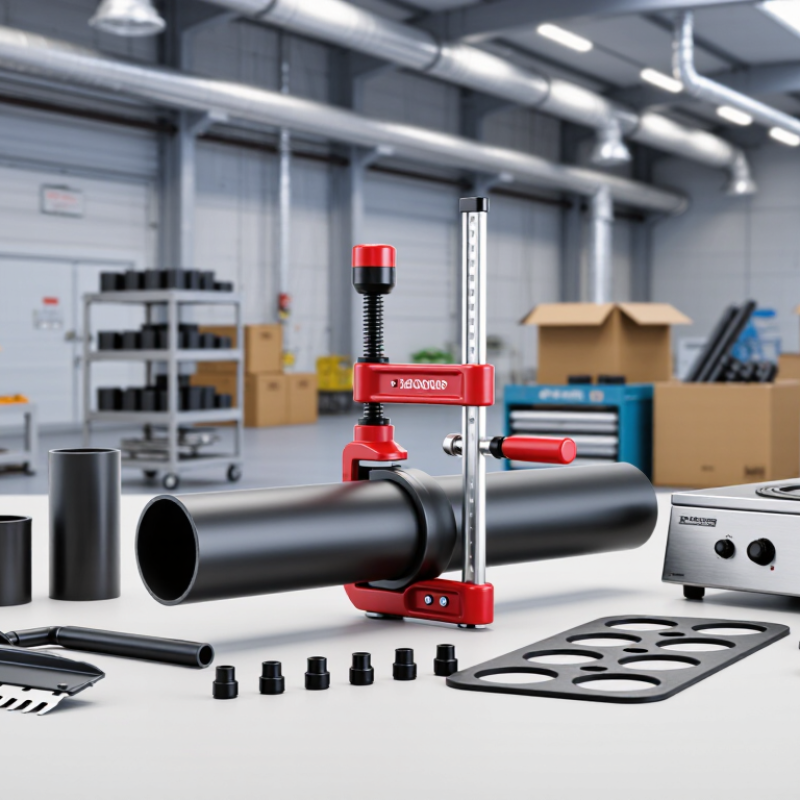
A reliable accessory set should match the fusion machine, pipe diameter range, material grade, and jobsite conditions. Scrapers must remove oxidation evenly. Clamps should hold the pipe without distortion. Heater plates need stable temperature control and clean, replaceable surfaces. Data logging is valuable when contractors must verify heating time, pressure, ambient temperature, and cooling duration. Standards such as ISO 21307, ASTM F2620, and DVS 2207-1 provide useful technical references, although regional specifications may differ.

Small details matter.

A buyer should check calibration records, spare-part availability, operator training, and supplier support before comparing prices. A low-cost trimming tool may leave uneven surfaces, while a poorly fitted insert can damage pipe ends. That mistake may remain hidden until pressure testing. Manufacturer experience matters, but catalog claims require verification through test reports, traceable materials, and field references. No checklist is perfect. I have seen purchasing decisions focus heavily on machine compatibility while ignoring transport, cleaning, and maintenance conditions. Global buyers should therefore evaluate the complete operating system, not isolated accessories. The strongest choice balances compliance, durability, serviceability, and measurable joint quality.
How to Choose Butt Fusion Accessories for Global Buyers?

Classify Butt Fusion Accessories by ISO 21307 and ASTM F2620

How to Choose Butt Fusion Accessories for Global Buyers?

Classify Butt Fusion Accessories by ISO 21307 and ASTM F2620

Global buyers should classify accessories by the welding procedure they support. ISO 21307 identifies single low-pressure, dual low-pressure, and high-pressure butt fusion procedures. Each method requires controlled heating, joining, and cooling. A heater plate needs stable surface temperature across its working area. Facing tools must create square, clean pipe ends. Clamps must prevent movement without damaging the pipe.

ASTM F2620 connects fusion settings with pipe diameter and wall thickness. Therefore, a pressure gauge alone is not enough. Buyers should check the machine’s pressure range, heater accuracy, facing capacity, and data-recording function. Thin-wall pipe may need different heating control than thick-wall pipe. Small details matter.

The Plastics Pipe Institute’s PE Handbook uses a 100-year design basis for many polyethylene pressure applications, but workmanship still determines joint reliability. PPI guidance also stresses calibrated equipment and documented fusion parameters. That makes temperature probes, hydraulic hoses, alignment inserts, and cooling supports important accessories, not optional extras. ISO 21307 is useful for comparing procedure compatibility, while ASTM F2620 helps verify practical heating and pressure requirements. A compact kit can look efficient. It may still lack the correct reducer set or pressure calculation chart. Buyers should request calibration records, material compatibility details, and test evidence before shipment. Mistakes happen when catalog descriptions replace standard-based checking.

Match Heater Tools to PE Pipes at 200–230°C Fusion Temperatures

How to Choose Butt Fusion Accessories for Global Buyers?

Selecting butt fusion accessories starts with the pipe, not the catalog. PE80 and PE100 pipes may require different heating practices. Confirm pipe diameter, wall thickness, SDR, and material grade before choosing tools. The heater should maintain a stable 200–230°C surface temperature across its plate. Uneven heat creates weak fusion zones.

A suitable kit usually includes a coated heating plate, facing tool, alignment clamps, pressure gauges, and temperature verification equipment. Check the plate size against the pipe range. Small pipes need controlled contact, while large pipes require even pressure over wider surfaces.

A calibrated thermometer is essential. Built-in displays can drift. That happens.

For global buyers, electrical compatibility also matters. Confirm voltage, frequency, plug type, and replacement heater availability. Ask for calibration records and operating instructions in a usable language. During inspection, look for clean plate surfaces and smooth clamp movement. Scratched coatings can contaminate the joint. I have seen operators trust the display without checking the actual plate temperature. That shortcut can ruin an otherwise careful installation. Allow the heater to stabilize, wipe it correctly, and follow the approved heating and cooling times. Weather changes the process too. Wind, dust, and low temperatures may require additional protection. Good accessories support consistent work, but trained handling still decides the final joint quality.

Select Facing, Alignment, and Clamping Tools for SDR 7.4–41 Pipes

Selecting butt fusion accessories for SDR 7.4–41 pipes requires more than matching nominal diameter. Wall thickness changes clamping pressure, heating time, and alignment behavior. Start with a facing tool that covers the full pipe range without forcing the machine beyond its working capacity. Sharp, stable blades should produce clean, parallel ends. Uneven shavings often signal worn cutters, poor setup, or excessive ovality.

Alignment tools must control both pipe ends under load. For thin-wall SDR 41 pipe, excessive clamping force can deform the socket area and create hidden mismatch. For thicker SDR 7.4 pipe, weak alignment can allow movement during heating and bead formation. Use adjustable rollers, calibrated guides, and inserts suited to each outside diameter. Keep it practical. I have seen operators blame the heater when the real problem was unstable support.

Clamping tools should grip securely while protecting the pipe surface. Check the minimum and maximum clamp range, hydraulic stability, and access for cleaning. A tool designed for one SDR group may perform poorly across the entire 7.4–41 range. Confirm compatibility with the pipe material, joint procedure, and applicable installation standard. Field temperature, wind, and uneven ground also matter. A catalog chart cannot replace a trial fit. If the pipe shifts by hand, the setup needs more attention before heating begins.

Compare Hydraulic Units by Pipe Diameter, Pressure, and Site Conditions

How to Choose Butt Fusion Accessories for Global Buyers?

Choosing a hydraulic unit starts with the pipe diameter, not the catalogue photo. Small-diameter work usually needs compact equipment with steady, low-flow control. Large pipes demand higher thrust, stronger clamps, and enough hydraulic capacity for repeated cycles. Check the machine’s actual working range. A unit rated for 630 mm may struggle when thick-wall pipe requires greater fusion pressure.

Pressure settings must match the pipe material, wall thickness, and approved fusion procedure. Operators should monitor pressure during heating, alignment, and joining. A pressure gauge with clear markings helps, especially in bright outdoor conditions. Digital controls can improve repeatability, but they still require calibration. I have seen accurate-looking gauges produce poor joints after months of vibration and dust.

Site conditions often decide which accessories matter most. Muddy trenches call for protected hydraulic couplings and reinforced hoses. Remote projects benefit from compact power packs, spare seals, and simple manual overrides. In cold regions, hydraulic fluid must remain responsive during early morning starts. Hot, dusty sites need ventilation and easy filter access. A longer hose may improve access, yet it can also reduce handling precision. That trade-off is easy to miss. Check transport limits, generator compatibility, maintenance skills, and available replacement parts before ordering. The best selection is not always the most powerful one.

Verify ISO 12176 Compliance, Traceability, Safety, and Global Service Support

How to Choose Butt Fusion Accessories for Global Buyers?

Global buyers should verify the exact ISO 12176 part that applies to each accessory. Requirements may differ for heating tools, facing equipment, clamps, and control systems. Ask the supplier to identify the relevant edition and tested function. Do not accept a generic compliance statement. Request declarations, test records, calibration certificates, and inspection dates. Match every document to the product serial number and production batch. That small link supports audits and future repairs.

Safety details deserve close attention. Check temperature control, pressure stability, electrical protection, emergency stops, and insulated handles. Inspect surfaces for damage before installation. A clear manual should explain setup, operating limits, cleaning, and replacement procedures. Photographs of guards and connectors can reveal practical risks that certificates miss. A checklist helps, but it can still overlook field conditions.

Reliable service matters when equipment crosses borders. Confirm spare-part availability, technical response times, remote troubleshooting, and local training options. Ask whether service teams can support the destination language and power requirements. Keep calibration records with the equipment, not in a separate office folder. This habit prevents confusion during site inspections. The cheapest accessory may create expensive delays. I have found that suppliers with detailed records are usually easier to trust, though documentation alone is never enough. Test-fit critical parts before shipment when possible. Small mismatches happen.