How to Choose the Best Outdoor Switchgear for Your Needs?
Choosing the right Outdoor Switchgear is crucial for efficient power distribution and management in various settings. The global outdoor switchgear market is projected to reach $51.7 billion by 2027, driven by the demand for renewable energy sources. According to industry expert Dr. Emily Harper, “Selecting the right outdoor switchgear can enhance system reliability and safety.”
When considering options, factors such as environmental conditions, load requirements, and installation costs must be evaluated. Outdoor switchgear is designed to withstand diverse weather elements, necessitating robust materials and technologies. Research indicates that over 30% of the outdoor switchgear failures are linked to environmental factors, underscoring the importance of thorough assessment.
However, not all products are created equal. Some manufacturers may compromise on quality to cut costs. It's vital to research and consult with knowledgeable professionals before making a decision. A well-chosen outdoor switchgear system will not only improve performance but potentially avoid costly operational disruptions. Engaging with trusted sources can prevent missteps in selection and ensure long-term reliability.
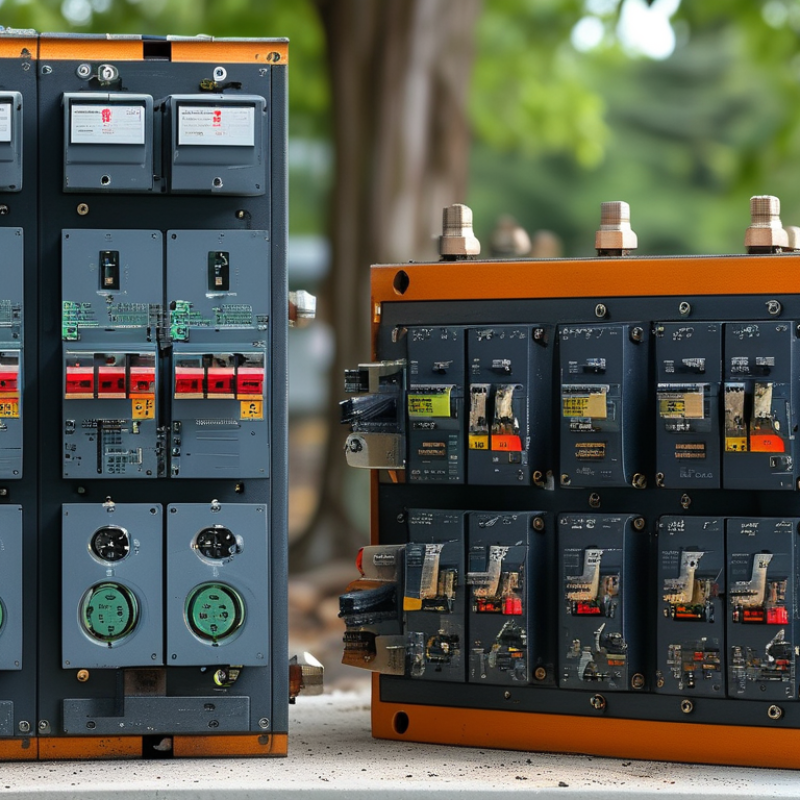
Understanding Outdoor Switchgear: Definitions and Functions
Outdoor switchgear plays a vital role in electrical distribution. It ensures safe and efficient operation in varying climatic conditions. Understanding its definitions and functions can help improve system reliability.
These devices isolate and protect electrical circuits. They are designed to handle high voltages and currents. Their robustness aids in minimizing downtime during power outages. Indoor switchgear is often less exposed, but outdoor switchgear faces unique challenges. It reacts to environmental factors like rain, snow, and heat.
Choosing the right outdoor switchgear can be complex. Everyone may not be aware of their specific needs. Consider the typical weather conditions in your area. Assess the load requirements and potential upgrades. The wrong choice may lead to increased maintenance or failure in extreme weather. It's essential to consult knowledgeable professionals for tailored advice.
Evaluating Environmental Factors for Outdoor Switchgear Selection
When selecting outdoor switchgear, environmental factors play a critical role. Various weather conditions can significantly impact the performance and longevity of switchgear systems. For instance, high humidity levels can lead to corrosion, while extreme temperatures can affect insulation properties. According to a 2022 report from the International Electrotechnical Commission, outdoor switchgear needs to withstand temperatures ranging from -25°C to +50°C without failure. This emphasizes the importance of considering local climate conditions.
Furthermore, pollution levels must also be assessed. In regions with high pollution, dust and contaminants can accumulate on equipment surfaces, resulting in insulation breakdown. The same report highlights that pollution can shorten the lifespan of outdoor switchgear by up to 30%. Regular maintenance and cleansing of switchgear in such environments are essential, yet often neglected by operators.
Also, geographical factors cannot be overlooked. Areas prone to flooding may require switchgear designed with enhanced sealing and drainage features. Conversely, installations in seismic zones should focus on structural integrity. Each of these considerations reflects the need for informed choices in outdoor switchgear selection. Misjudging these factors can lead to costly downtimes and inefficient operation.
Comparing Material Standards: Steel, Aluminum, and Composite Choices
When selecting the best outdoor switchgear, material standards play a crucial role. Steel is known for its strength and durability. It can withstand harsh weather conditions, making it a popular choice. However, steel can be prone to corrosion, which is a significant downside. Regular maintenance is necessary to keep it in good condition.
Aluminum offers a lightweight alternative. It is resistant to corrosion and requires less upkeep than steel. But its lower strength can be a concern in high-stress environments. Many overlook this factor, leading to potential failures.
Composite materials have gained traction recently. They are highly resistant to environmental factors and offer good electrical insulation. Yet, they may not provide the same robust protection as metal options under extreme conditions.
Choosing the right material means evaluating the specific needs of your project. It's essential to consider the local climate and environmental factors. Each material has strengths and weaknesses. Balancing these against your requirements ensures informed decision-making. The process can be complex and demands thoughtful reflection.
Assessing Voltage Ratings and Load Capacity Requirements
When choosing outdoor switchgear, assessing voltage ratings and load capacity requirements is crucial. Voltage ratings must match your system's specifications. Consider future expansions and additional loads. This foresight can save costs later.
Tips: Ensure your voltage rating exceeds your highest expected use. This creates a safety margin. Always check local regulations for compliance, as standards may vary.
Load capacity is vital; it determines how much electrical current your switchgear can handle. Evaluate existing and anticipated loads carefully. Overloading could lead to failures and unsafe conditions.
Tips: Calculate load requirements using all equipment that may connect. Include future projects in your calculations. Neglecting this could result in costly upgrades down the line.
Analyzing Regulatory Standards and Safety Compliance for Switchgear
When selecting outdoor switchgear, regulatory standards and safety compliance are crucial. Many regions have strict guidelines governing electrical equipment. Ensure your switchgear meets local and international standards, like IEC and IEEE regulations. Compliance guarantees safe operation and reduces risks associated with electrical failures.
Tip: Always consult with a professional to confirm compliance. Experts can guide you through the regulations specific to your location.
Evaluating safety features is essential. Look for designs that include protective enclosures and clear labeling. Features like overload protection and ground fault interrupters enhance safety. Not all products are created equal. A robust design can withstand harsh weather and reduce operational risks.
Tip: Review product certifications before making a choice. Third-party testing can provide additional assurance of compliance and safety. While cost is important, the cheapest option may not always be the safest. Prioritize long-term reliability and performance.
How to Choose the Best Outdoor Switchgear for Your Needs?
| Specification | Description | Regulatory Standards | Safety Compliance |
| Rated Voltage | The maximum continuous voltage the switchgear can handle. | IEC 62271-1 | Meets insulation level requirements. |
| Rated Current | The maximum continuous current the switchgear can carry. | NEMA SG-6 | Certified for load switching. |
| Short-Circuit Rating | The maximum fault current the switchgear can withstand for a short duration. | IEC 62271-200 | Tested for operational safety during faults. |
| Environmental Rating | The level of protection against environmental conditions (e.g., dust, water). | IP68 | Material and design withstand ambient conditions. |
| Temperature Range | Operable environmental temperature range for safety and efficiency. | IEC 60068-2-2 | Tested for extreme temperature conditions. |
