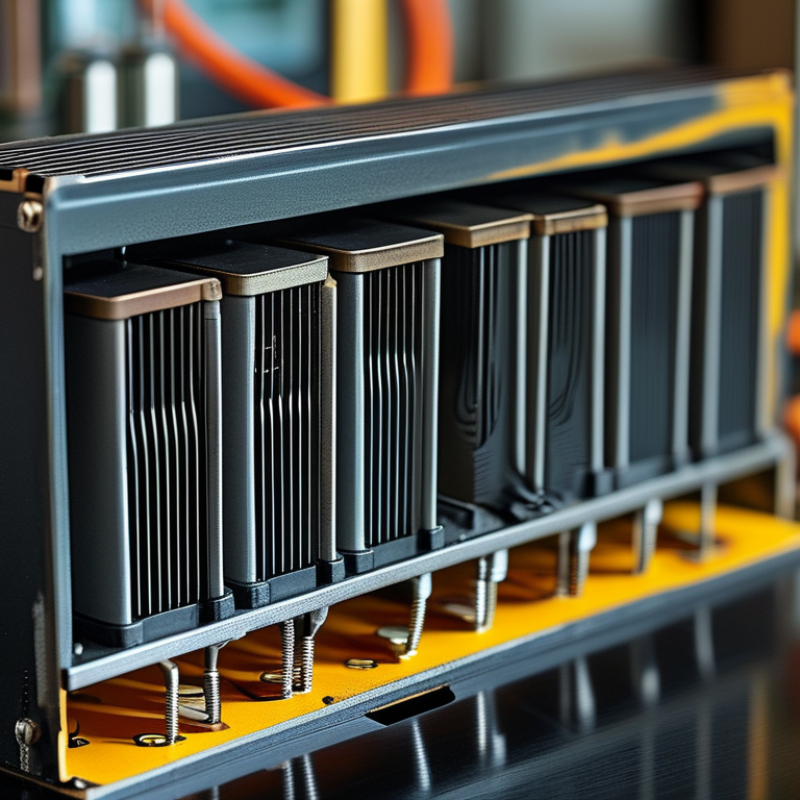
How to Choose the Best Heat Pipe Cooling Solutions?
Choosing the right cooling solution is vital for optimal device performance. Heat Pipe Cooling stands out as a reliable method to manage heat effectively. These systems use phase change technology to transfer heat away from critical components.
When selecting a heat pipe cooling solution, consider factors like thermal efficiency, size, and application. Each option has its unique characteristics. This diversity leads to decisions that can feel overwhelming. A poorly matched heat pipe can cause issues, reducing performance and lifespan.
Finding a balance between performance and space constraints is crucial. It is essential to evaluate the specific needs of your system. Expert insights can guide you towards the best choice. However, always remember that the most effective solution may still come with challenges. Engaging with industry specialists can enhance understanding and reduce missteps in selection.
Understanding Heat Pipe Cooling Technology
Heat pipe cooling technology is a highly effective thermal management solution, often utilized in electronics and aerospace industries. By leveraging the phase transition of working fluids, heat pipes efficiently transfer heat away from critical components. The global heat pipe market is projected to grow at a CAGR of over 5% through 2028, indicating a rising demand for efficient cooling techniques.
Selecting the right heat pipe involves understanding its construction and operation. The core of a heat pipe includes a sealed chamber containing a liquid and a wick structure. When heat is applied, the liquid evaporates, travels to a cooler section, and condenses back into a liquid. This process continues, creating a perpetual cycle.
Tips: Look for heat pipes with high thermal conductivity materials, such as copper or aluminum. Ensure compatibility with the target application in terms of temperature range and pressure levels. Consider factors like weight and size, as these influence overall system efficiency.
Despite their advantages, heat pipes also have limitations. They rely on gravity or capillary action for fluid circulation. In microgravity environments, performance can degrade. Users should assess application constraints carefully to avoid potential pitfalls. Consistent monitoring and testing are vital for optimizing performance over time.
How to Choose the Best Heat Pipe Cooling Solutions?
| Criteria | Description | Importance (1-5) |
| Material | Consider the thermal conductivity of the material used for the heat pipe. | 5 |
| Size | Evaluate the overall dimensions and weight to ensure compatibility. | 4 |
| Operating Temperature Range | Check the effective temperature range for optimal performance. | 5 |
| Efficiency | Assess the rate of heat transfer relative to the application needs. | 5 |
| Cost | Analyze the cost-effectiveness based on budget constraints. | 3 |
| Reliability | Consider the longevity and durability of the heat pipe solution. | 4 |
Key Factors in Selecting Heat Pipe Materials
When choosing heat pipe materials, several factors come into play. Thermal conductivity is paramount. Materials with high conductivity ensure efficient heat transfer. Copper and aluminum are popular choices due to their excellent thermal properties. However, they may not always be the best—in some applications, graphite or even specialized ceramics can outperform traditional metals. It’s vital to consider each material’s performance in specific scenarios.
The working fluid inside the heat pipe is another critical factor. Different fluids have varying boiling points and heat capacities. Water is often used, but in high-temperature settings, alternatives like ammonia or acetone may be necessary. The choice of working fluid impacts the overall efficiency of heat transfer. It’s essential to analyze the operating environment before making a decision.
Durability and compatibility with the device must also be assessed. Certain materials might corrode or degrade under specific temperatures or pressures. Testing under real-world conditions can reveal potential shortcomings. Effective cooling solutions rely on understanding these nuances. Making informed decisions will lead to better performance and longevity of the heat pipe systems.
Comparing Heat Pipe Designs for Different Applications
When comparing heat pipe designs, factors such as geometry, working fluid, and application should be considered. Different thermal management needs across industries require tailored heat pipe solutions. For high-performance electronics, a flat heat pipe may suffice, while large-scale industrial applications might benefit from a cylindrical design. According to a report from ResearchAndMarkets, the global heat pipe market is projected to grow at a CAGR of 11% from 2021 to 2026. This growth indicates the increasing demand for efficient thermal management solutions across sectors.
Tips: Consider the environment where the heat pipe will operate. Different fluids perform better at specific temperatures and pressures. Ensure the material used for the heat pipe construction can withstand the operating conditions.
Design versatility is crucial. For compact spaces, micro heat pipes are ideal. They provide effective cooling without adding bulk. Conversely, large heat exchangers in HVAC systems may utilize larger pipes. A research article from the Journal of Electronic Packaging found that optimized heat pipes can enhance heat transfer by over 30% compared to traditional methods. This underscores the need for careful design decisions aligned with application requirements.
Comparison of Heat Pipe Cooling Solutions for Different Applications
Assessing Thermal Performance and Efficiency Metrics
When evaluating heat pipe cooling solutions, thermal performance is crucial. It greatly affects the efficiency of thermal management systems. According to a report by the International Journal of Thermal Sciences, optimizing heat transfer can improve efficiency by up to 35%. This metric is pivotal for industries relying on high-performance cooling.
Different metrics to assess thermal performance include thermal conductivity and heat transfer coefficient. A higher thermal conductivity often leads to better heat dissipation. For instance, the thermal conductivity of typical heat pipes can range from 200 to over 400 W/m·K, depending on the working fluid. Moreover, the heat transfer coefficient typically averages around 1000 W/m²·K in optimal conditions. However, these values can fluctuate based on design and application.
Additionally, efficiency can be affected by the arrangement of heat pipes in a system. Misalignment can lead to uneven thermal distribution and potential hotspots. Some studies have shown that inefficiencies can reach 15% due to inadequate installation. This highlights the importance of both design and execution in maximizing heat pipe performance. Evaluating these metrics critically can lead to substantial improvements in thermal management strategies.
Installation and Maintenance Best Practices for Heat Pipes
When installing heat pipes, proper preparation and placement are crucial. Start by accurately assessing the space available. Misjudged measurements can lead to inefficient cooling. Ensure that the heat pipes fit snugly within the designated area. This fit is essential for optimal performance. Use thermal interface materials to improve heat transfer. Insufficient contact can diminish effectiveness.
During maintenance, regular inspections are necessary. Check for any signs of wear or leakage. Leaks can severely impact functionality. Cleaning the heat pipes helps maintain efficiency. Dust buildup can obstruct heat dissipation. Use a soft cloth to gently wipe the surfaces. Avoid abrasive materials, which may cause damage.
Reflect on common mistakes, like improper alignment during installation. This can lead to inadequate cooling. Furthermore, be cautious with the choice of thermal compounds. Poor-quality materials can lead to premature failures. Prioritize reliable options, but always evaluate them in your context. Adjusting practices based on what works best for your specific setup will lead to better long-term results.