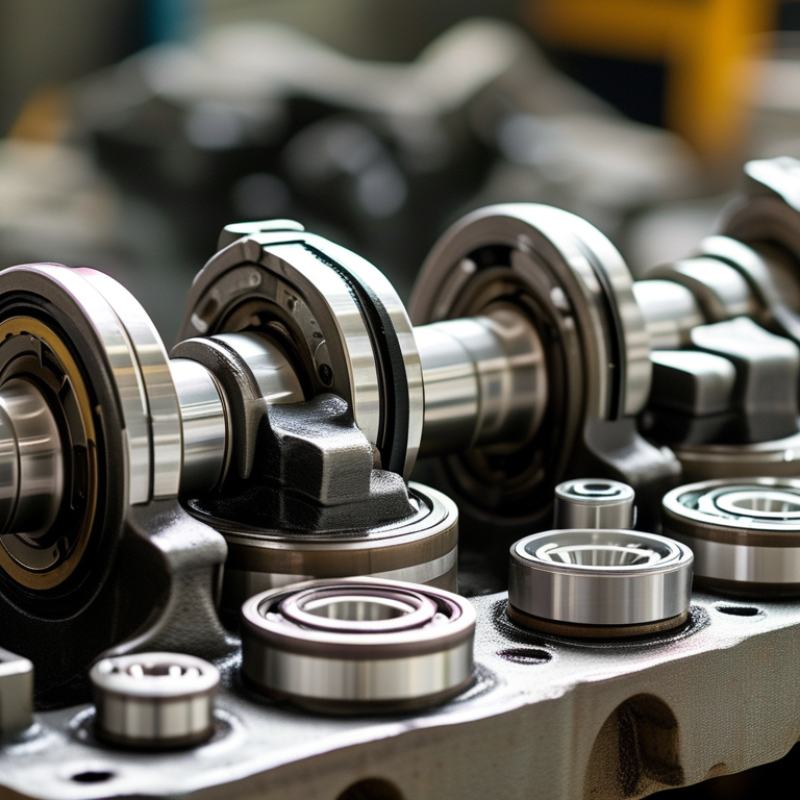
How to Choose the Best Crankshaft Bearing for Your Engine?
Choosing the right crankshaft bearing is crucial for engine performance. This component plays a vital role in supporting the crankshaft and reducing friction. A suitable crankshaft bearing ensures smoother operation and longevity of the engine.
When selecting a crankshaft bearing, consider factors such as size, material, and tolerance. Many bearings are made from high-quality metals that resist wear. The right fit can help prevent engine failure. It's also important to understand the specific needs of your engine type.
Not all bearings are created equal. Some might be ideal for performance engines, while others suit regular use. Reflections on your engine's demands can guide your choice. Evaluating performance history and expert recommendations can also help. Ultimately, a knowledgeable decision can lead to better engine reliability and power.
Understanding the Function of Crankshaft Bearings in an Engine
Crankshaft bearings play a crucial role in an engine. They support the crankshaft and allow it to rotate smoothly. This rotation is essential for converting linear motion into the rotational motion needed to drive the vehicle. Poor bearing quality can lead to engine failure. Understanding their function helps in making informed choices when selecting replacements.
When choosing crankshaft bearings, consider the material type. Common options include bi-metallic and tri-metallic designs. Each material has different frictional properties and durability. This choice directly affects engine performance. Don't forget to check the bearing clearance as well. Proper fitting prevents excessive wear and oil leaks.
Tip: Always consult with a professional mechanic for specific recommendations. Their experience can save you from costly mistakes. Regular maintenance of your engine can also prolong the life of your bearings.
Inspect your current bearings for wear. Signs of damage may not be immediately visible. If you notice unusual noises or vibrations, it’s a sign to check the bearings. Awareness of these details helps prevent larger issues down the road.
Factors to Consider When Selecting Crankshaft Bearings
When selecting crankshaft bearings, several factors come into play. The type of engine and its intended use are crucial. High-performance engines demand advanced bearings. These must withstand higher pressures and temperatures. Standard engines may require basic bearings, sufficient for everyday use.
Material choice is another important consideration. Bearings can be made from various materials, including copper, aluminum, and composite options. Each material offers different benefits and drawbacks. For instance, while aluminum is lightweight, it may not endure extreme conditions well. Copper bearings provide excellent durability but are heavier. Balancing weight and strength is vital.
Pay attention to the bearing's clearance and fit. Improper clearance can lead to serious engine issues. Too much space results in excessive wear and tear. Conversely, too little clearance may cause seizure. It's essential to measure with precision. Researching manufacturer specifications is advisable. This ensures a reliable fit for your engine, paving the way for better performance. Always consider these factors before making a final decision.
Types of Crankshaft Bearings: Pros and Cons
When selecting crankshaft bearings, understanding their types is critical. There are primarily three: plain, roller, and composite bearings. Each type has unique pros and cons that affect engine performance.
Plain bearings are widely used in various engines due to their simplicity. They provide solid support and distribute load effectively. However, they can wear out faster under high stress. Data from a recent industry report indicates that failure rates can increase by 25% in high-performance applications. On the other hand, roller bearings offer lower friction. They are ideal for high-revving engines, improving efficiency and performance. Yet, they require precise alignment, making installation complex.
Composite bearings are a newer alternative. They combine materials to enhance strength and reduce weight. Reports suggest they can handle extreme conditions better than other types. Yet, they may be costlier and less available, limiting their use. Engine builders must weigh these factors against their performance goals. Every type comes with trade-offs. Understanding these nuances helps engine enthusiasts and builders make informed decisions.
Material Choices for Crankshaft Bearings and Their Impact
When choosing crankshaft bearings, material is a key factor. Common options include aluminum, babbitt, and copper-lead. Each material has unique properties that can affect engine performance and longevity. Aluminum bearings are lightweight and provide good thermal conductivity. However, they may not handle high loads as well as others. Babbitt is soft and can conform to imperfections, reducing wear. Yet, it might not be ideal for high-performance applications.
Copper-lead bearings strike a balance between strength and weight. They offer excellent durability and resistance to fatigue. Selecting the right material depends on specific engine requirements. Consider load capacity, operating temperature, and intended use.
Remember that imperfections can arise from various factors. Understanding the trade-offs among materials is crucial. Opting for a softer bearing might protect your engine but could compromise performance. Likewise, a harder material may offer strength but could also cause increased wear on other components. Each choice carries potential risks and benefits. Be sure to evaluate them carefully for the best engine performance.
Material Choices for Crankshaft Bearings and Their Impact
Maintenance Tips for Long-lasting Crankshaft Bearings
Proper maintenance of crankshaft bearings ensures engine longevity and performance. Regular inspections are essential. According to a recent industry report, over 30% of engine failures are attributed to bearing-related issues. This data highlights the significance of maintaining these components.
One essential tip is to routinely check oil levels and quality. Clean oil reduces friction and prolongs bearing life. A lack of lubrication can lead to premature wear. Keeping an eye on engine temperature is vital, too. High temperatures can warp bearings, impacting their functionality.
Monitor for unusual noises. They may indicate wear or damage. Replacing bearings before issues escalate can save costs. Additionally, consider the material of the bearings. Some high-performance engines benefit from advanced composites. These materials can enhance durability but may require specific maintenance approaches. Regularly evaluate your engine's performance to tailor your maintenance schedule effectively.
How to Choose the Best Crankshaft Bearing for Your Engine? - Maintenance Tips for Long-lasting Crankshaft Bearings
| Bearing Type | Material | Load Capacity (psi) | Temperature Range (°F) | Lifespan (miles) |
| Plain Bearing | Aluminum | 10,000 | -40 to 180 | 100,000 |
| Roller Bearing | Steel | 15,000 | -20 to 250 | 120,000 |
| Bushed Bearing | Bronze | 12,000 | -30 to 200 | 90,000 |
| Composite Bearing | Polymer | 8,000 | -40 to 220 | 70,000 |