How to Choose the Best Artificial Lift Technologies for Oil Wells?
Choosing the right Artificial Lift Technologies for oil wells can be a daunting task. According to Dr. Emily Carter, a noted expert in the field, "The right lift system can significantly impact production efficiency." With numerous options available, understanding each technology is crucial. A wrong choice can lead to inefficiencies and costly downtime.
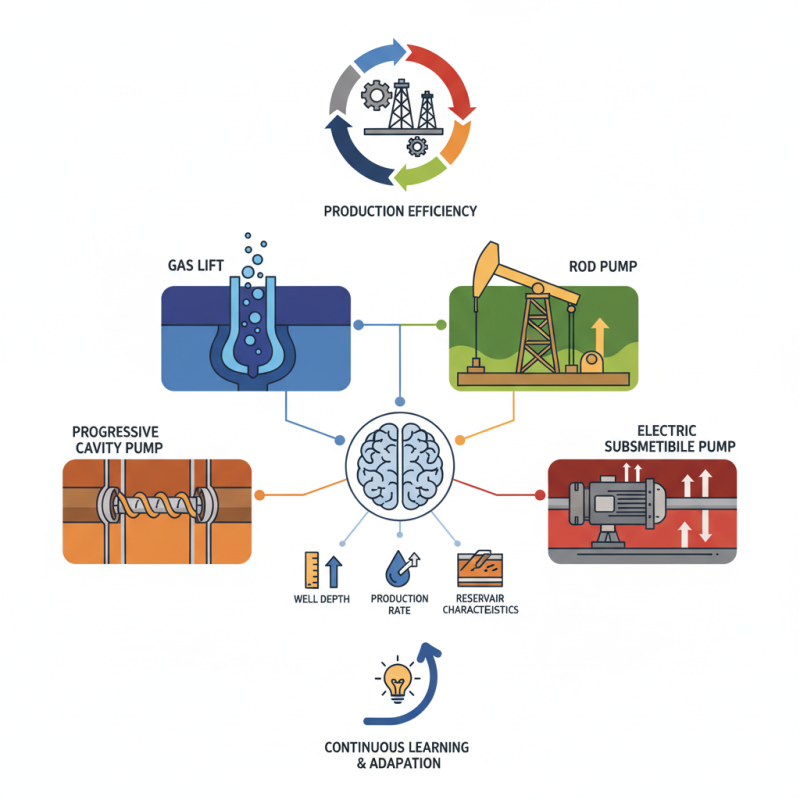
In the oil industry, the stakes are high. Every decision matters. Selecting the optimal artificial lift method involves evaluating factors like well depth, production rate, and reservoir characteristics. For instance, using gas lift in shallow wells may not yield the same results as in deeper reservoirs. Every detail counts.
Yet, it’s not always straightforward. Each well has unique challenges. Technologies may appear promising but could falter under specific conditions. Therefore, continuous learning and adaptation are keys to success. Embracing expert insights can illuminate the path to effective Artificial Lift Technologies.
Understanding Artificial Lift Technologies in Oil Production
Artificial lift technologies play a crucial role in enhancing oil production from wells. By enabling efficient extraction, they can significantly increase production rates. Understanding these technologies is vital for optimizing well performance. According to the International Energy Agency, global oil production from Artificial Lift Systems accounts for about 60% of total production.
There are various artificial lift methods, including gas lift, electric submersible pumps, and rod pumps. Each has its unique advantages and challenges. For instance, gas lift is often cheaper for deeper wells, while electric submersible pumps are effective for high-viscosity oils. However, selecting the wrong technology can lead to suboptimal production. It’s important to analyze well conditions carefully.
**Tips:** Assess well depth and fluid characteristics. This will inform the best lift choice. Consider the initial costs and long-term maintenance involved. Regular data analysis can identify trends in production efficiency. Always be prepared to adjust strategies as new data emerges. This is a constant learning process. Reflect on the performance of your chosen method and be open to changes.
Evaluating the Characteristics of Different Artificial Lift Methods
Choosing the right artificial lift method is crucial for optimizing oil production. There are several technologies available, each with unique characteristics. The main types include rod lift, gas lift, progressive cavity pumps, and electric submersible pumps.
Rod lift systems are often used in many wells. They are reliable and simple to operate. However, they may not be efficient for deeper wells. Gas lift, on the other hand, works well for wells with fluctuating pressures. It can reduce the hydrostatic pressure, but proper gas supply is essential.
Progressive cavity pumps are great for handling viscous fluids. Yet, they require more maintenance. Electric submersible pumps are efficient but can be expensive. It’s essential to weigh the advantages against the costs and limitations of each type. Remember, the best choice varies based on well conditions and production goals. Consider all factors before making a decision.
Factors Influencing the Selection of Artificial Lift Systems
Choosing the right artificial lift system for oil wells is crucial. Several factors influence the selection process. Understanding these elements can improve production efficiency and reduce costs.
Reservoir characteristics play a significant role. The depth of the well affects pressure and temperature conditions. A soft rock formation may require a different system than a hard one. The expected flow rate is essential too. Systems must match production goals without overburdening the well.
It's also important to consider installation and maintenance. Some systems demand more time and resources. Simpler options might yield excellent results with less hassle.
Tips: Assess your reservoir thoroughly. Consult with experts to ensure the ideal match. Don't overlook future well conditions. Anticipate changes in production for long-term success.
Cost-Benefit Analysis of Various Artificial Lift Techniques
When considering artificial lift technologies for oil wells, a cost-benefit analysis is vital. Various techniques offer different efficiencies and price points. For instance, gas lift systems can be cost-effective, but operational complexities may arise. They need a consistent supply of gas, which brings potential challenges.
In contrast, rod pumps are straightforward and reliable. However, their maintenance costs can accumulate over time, impacting the overall budget. Operators should weigh these factors carefully. Other options, such as electric submersible pumps, offer high production rates but demand significant upfront investment. Evaluating the long-term financial implications is crucial. Choosing the wrong method could lead to cost overruns or reduced production.
Each technique has inherent trade-offs. Ideally, one wants maximum output with minimal investment. However, the right choice often depends on specific well conditions. Local geology, fluid characteristics, and production goals must guide the selection process. Balancing these aspects ensures a more informed and beneficial decision. Reflecting on past choices can also provide insights for future projects.
Best Practices for Implementing Artificial Lift Solutions in Oil Wells
Implementing effective artificial lift solutions in oil wells requires careful consideration of various factors. According to a report by the International Energy Agency, up to 80% of oil wells in mature fields use artificial lift systems. This highlights the critical role these technologies play in maximizing production. Recognizing specific well conditions is vital. Selection of the right lift method can greatly enhance recovery rates but may also introduce operational challenges.
Accurate monitoring and maintenance practices are essential. Data from the Society of Petroleum Engineers suggests that improper installation or inadequate upkeep can lead to a 30% decrease in efficiency. Regular assessments can help identify performance gaps. Utilizing sensors and data analytics can prompt timely interventions. However, it also requires skilled personnel to analyze data effectively.
Finally, workforce training shouldn't be overlooked. Enhanced operator knowledge can lead to improved decision-making. Some companies report that investing in training programs resulted in a 15% increase in production efficiency. Despite these benefits, achieving comprehensive implementation remains a challenge. Continuous improvement is crucial. Combining technology with skill development could transform oil extraction processes significantly.
