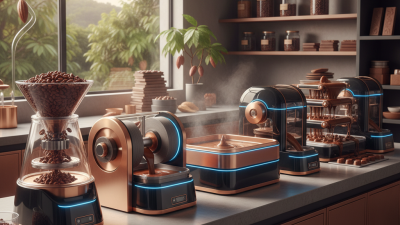
2025 How to Choose the Best Cocoa Machines for Your Home or Business
The demand for high-quality cocoa machines has surged in recent years, reflecting the growing trend towards artisanal chocolate production and the increasing popularity of homemade confections. According to a recent report by Mordor Intelligence, the global chocolate market is expected to reach a valuation of over $160 billion by 2025, driving the need for efficient and versatile cocoa processing machinery. This presents an exciting opportunity for both home enthusiasts and business owners looking to capitalize on the rising interest in gourmet cocoa products.
When selecting cocoa machines, it is essential to consider factors such as scalability, ease of use, and the specific requirements of the desired chocolate or cocoa product. Comprehensive understanding of process efficiency is critical; for example, machines designed for optimizing cocoa nib processing can significantly enhance flavor profiles and quality. The 2022 Grand View Research report indicates that as the craft chocolate movement continues to expand, consumers are becoming more discerning about the sourcing and processing methods of their chocolate, leading to an increased emphasis on robust and reliable cocoa machinery.
As aspiring chocolatiers and established businesses look to invest in cocoa machines, understanding the technological specifications and production capabilities of these machines becomes paramount. From tempering to grinding, the right equipment can make a significant difference in the final product’s flavor, texture, and overall quality. In the quest for the ideal cocoa machine, careful evaluation of individual needs and market trends will ultimately guide the decision-making process.
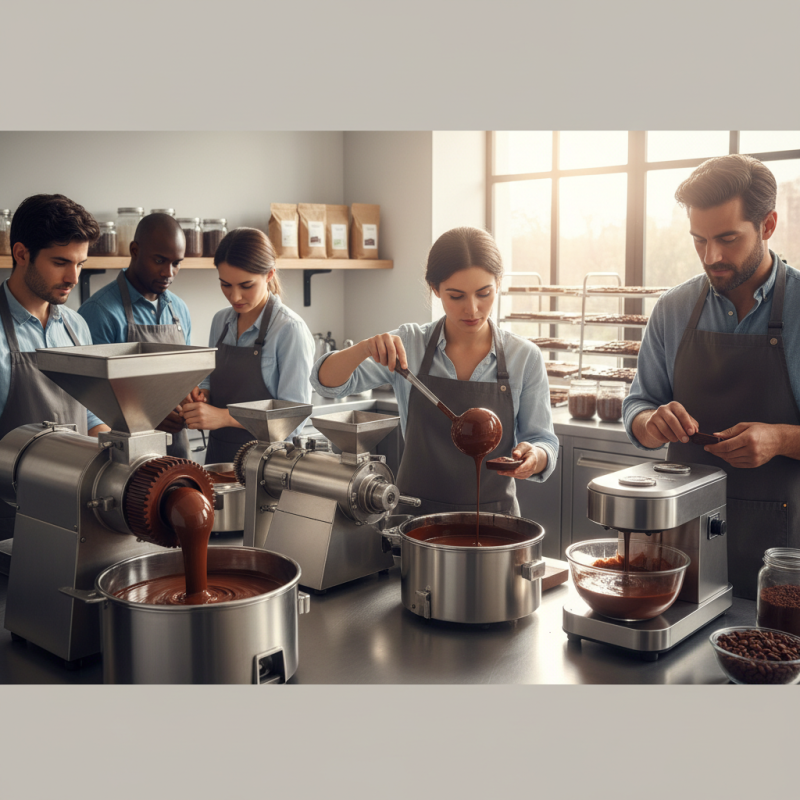
Understanding Cocoa Machines: Types and Functions
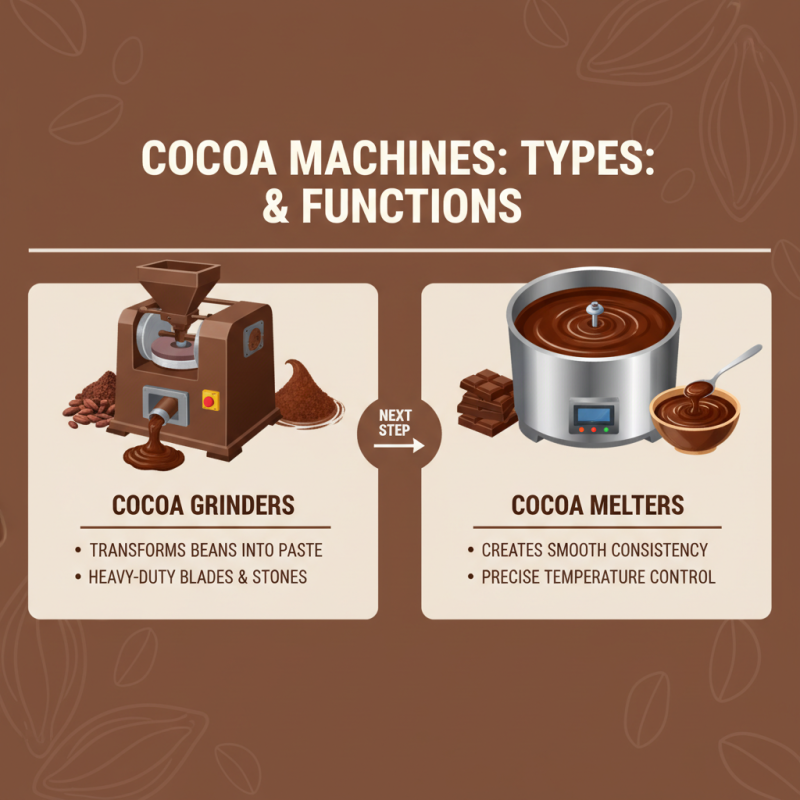
Cocoa machines come in various types, each designed to cater to different needs and functions. One common type is the cocoa grinder, which is essential for transforming cocoa beans into a smooth paste. These machines utilize heavy-duty blades and grinding stones to break down the cocoa nibs, ensuring that the fine texture required for chocolate production or cocoa drinks is achieved. In addition to grinders, there are also cocoa melters that are important for artisans and businesses aiming to create a smooth consistency in their chocolate mixtures. These machines carefully control the melting process, preventing overheating and ensuring that flavor profiles remain intact.
Another vital category includes cocoa press machines, which extract cocoa butter and cocoa powder from the pre-processed cocoa mass. This separation is crucial for manufacturers who require specific components for diverse recipes, whether it’s for solid chocolate bars or baking products. Understanding these various types of cocoa machines enables both home users and business owners to make informed decisions based on their production requirements. By considering factors such as capacity, efficiency, and usability, individuals can select the right machine that aligns with their culinary aspirations and operational needs.
Key Features to Consider When Purchasing Cocoa Machines
When purchasing a cocoa machine for your home or business, it's essential to consider several key features that will ensure you choose the best option for your needs. First and foremost, think about the machine's capacity. For home use, a smaller machine may suffice, while businesses often require larger models that can handle higher volumes of production. It's crucial to evaluate how much cocoa you anticipate using regularly, as this will inform your decision.
Another critical feature to consider is the type of cocoa processing available. Look for machines that not only grind cocoa beans but also have the capability to create cocoa butter and chocolate products. This versatility can enhance your productivity and allow for a wider range of offerings if you're operating a business. Moreover, consider the ease of cleaning and maintenance; machines that are user-friendly in this regard will save you time and effort in the long run.
Tips: Always check the energy efficiency ratings of the cocoa machines you are considering, as this can significantly reduce operating costs over time. Additionally, researching customer reviews can provide insight into the durability and performance of the machine, helping you make an informed decision.
Evaluating Capacity and Production Speed for Home or Business Use
When selecting cocoa machines for either home or business use, evaluating capacity and production speed is crucial. Different settings have varying demands; for a home setup, a smaller machine that offers versatility might suffice, while a business setting will typically require larger machines capable of handling higher volumes of production. It's important to assess how much cocoa you plan to process daily and choose a machine that meets your needs without overextending your budget or space.
**Tips:** When evaluating capacity, look for machines that offer adjustable settings to cater to different recipes and production scales. Additionally, consider the frequency of use—if you plan to use the equipment often, prioritize machines known for durability and efficiency. Keeping in mind the electrical requirements and maintenance needs can also prevent future complications.
Production speed should also align with your business strategy or personal preferences. A faster machine can produce more in less time, which is ideal for businesses that receive large orders. However, if you are focused on artisanal quality, slower machines might allow more control over the final product.
**Tips:** Always check the machine's specifications for processing cycles and compare them with your expected output. It might also be beneficial to read reviews or seek recommendations from others in the industry to ensure you choose a machine that offers the right balance of speed and quality for your specific needs.
Comparing Price Points: Budget vs. High-End Cocoa Machines
When choosing cocoa machines for home or business use, it's essential to consider price points. Budget cocoa machines typically range from $100 to $500 and are suitable for casual users who may want to experiment with cocoa beverages. These machines often come with basic features, such as simple heating and mixing capabilities, making them accessible for entry-level consumers. Reports indicate that around 45% of users prefer budget machines for personal use, citing affordability and ease of use as key factors in their decision-making processes.
On the other hand, high-end cocoa machines priced between $1,000 and $5,000 offer advanced features and greater versatility, making them more appealing for businesses or serious enthusiasts. These machines often include options for temperature control, programmable settings, and higher-quality materials designed for durability and consistency. Industry data suggests that professional establishments, like cafes and restaurants, are increasingly investing in high-end cocoa machines, with over 30% of operators reporting enhanced customer satisfaction due to superior beverage quality. This gap in investment underscores the importance of aligning the choice of equipment with the intended use, ensuring that users have the right tools for their specific needs.
Comparison of Cocoa Machines - Budget vs. High-End
Maintenance and Longevity: Ensuring Optimal Performance of Cocoa Machines
When it comes to maximizing the performance of cocoa machines, regular maintenance is key to ensuring their longevity. A well-maintained machine operates more efficiently, which not only enhances the quality of the product but also reduces the likelihood of costly repairs. This involves
routine cleaning, checking for wear and tear, and keeping all moving parts properly lubricated to prevent friction or damage.
Creating a maintenance schedule can help in systematically addressing these needs, ensuring that the machine remains in optimal condition for both home and business use.
Additionally, understanding the specific requirements of your cocoa machine can significantly affect its lifespan. This includes adhering to factory recommendations for servicing and using appropriate materials for maintenance.
Environmental factors, such as humidity and temperature, should also be considered, as they can influence the machine’s workings.
Investing time in understanding how to care for your cocoa machine leads not only to better product consistency but also to a safer operating environment.
By prioritizing these maintenance practices, you can ensure that your cocoa machine continues to deliver exceptional results for years to come.