Why Choose a Fragrance Filling Machine for Your Business?
In today's competitive market, businesses in the fragrance industry face significant challenges. The demand for high-quality perfumes and personal care products continues to rise. According to a report by ResearchAndMarkets, the global fragrance market is expected to reach $70 billion by 2025. This trend highlights the need for efficient production processes. A Fragrance Filling Machine plays a crucial role in enhancing productivity and accuracy.
Investing in a Fragrance Filling Machine can streamline operations. These machines ensure precise filling, reducing waste and improving consistency. This reliability is essential as consumers increasingly seek premium products with strong brand identities. A modern filling machine can improve turnaround times, allowing businesses to meet rising consumer expectations swiftly.
Moreover, while many companies rush to adopt automation, they must carefully evaluate their choices. Not all machines offer the same level of performance. It's vital to choose a model that matches production needs effectively. A hasty decision can lead to increased costs and operational inefficiencies. A well-researched investment in a high-quality Fragrance Filling Machine may ultimately support long-term growth in this evolving market.
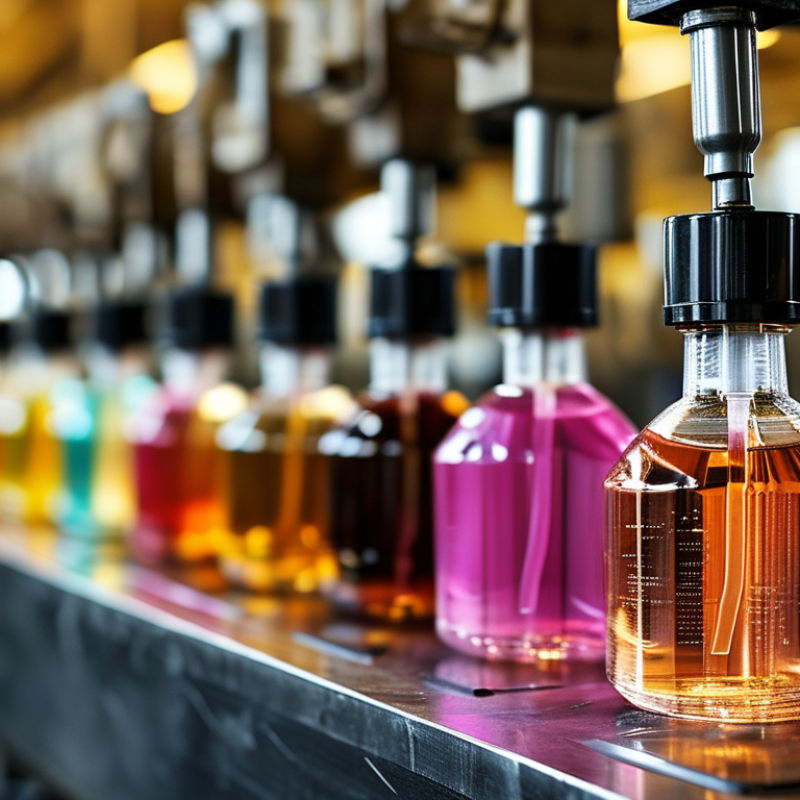
Benefits of Using a Fragrance Filling Machine in the Perfume Industry
In the competitive perfume industry, a fragrance filling machine can transform your production process. These machines offer precision and consistency. Each bottle is filled accurately, reducing waste and ensuring product quality. Manufacturers can avoid common errors like overfilling and spillage. This not only saves resources but also helps maintain customer satisfaction.
Moreover, using a fragrance filling machine accelerates production speed. While manual filling can be slow and labor-intensive, advanced machines handle filling much faster. This boost in efficiency can meet higher demand without compromising quality. However, investing in such technology requires careful consideration of initial costs versus long-term savings.
Another aspect to ponder is the need for regular maintenance. While these machines can greatly improve operations, they also require upkeep. Businesses must be prepared for this commitment. Overall, a fragrance filling machine streamlines production, enhances quality, and supports growth in the perfume sector. But, it’s essential to weigh the pros and cons carefully.
Key Features of Modern Fragrance Filling Machines for Businesses
Modern fragrance filling machines offer a blend of efficiency and precision that can significantly enhance your business operations. One of the key features is their automation capability. These machines can fill a large number of bottles quickly and accurately. This reduces labor costs and increases productivity.
Moreover, advanced machines often come with adjustable filling volumes. This allows you to accommodate various bottle sizes seamlessly.
Another important aspect is the ease of cleaning. Modern designs often utilize materials that can be quickly sanitized. This is crucial for maintaining product quality and safety. Additionally, many machines are equipped with user-friendly interfaces. Operators can easily input settings and monitor the filling process. This simplicity can reduce training time, allowing staff to focus on other essential tasks.
Tips: Regular maintenance of your filling machine is vital. Check for any signs of wear and tear. Implementing a routine cleaning schedule can prevent costly downtime. Also, keep an eye on the filling accuracy over time. Adjustments may be needed as the machine ages or if product formulations change. Regular evaluation will keep your operations smooth and efficient.
Cost Efficiency: Reducing Waste with Automated Filling Solutions
When considering a fragrance filling machine, cost efficiency stands out as a critical factor. Automated filling solutions dramatically reduce waste, which can translate into significant savings for businesses. Traditional filling methods often lead to spills and overfilling. These issues waste both product and time. A well-calibrated machine minimizes these risks with precision.
Moreover, automated systems can enhance production speed. They maintain consistency, ensuring each bottle is filled to the correct level. This reliability helps maintain brand reputation. Yet, investing in technology isn’t without challenges. Initial costs can be high, and training staff on new equipment requires time and resources. Businesses must weigh these factors carefully.
Some companies may underestimate the importance of ongoing maintenance. Neglecting regular checks can lead to more waste and potential downtimes. This oversight may negate any benefits gained from automation. Implementing automated filling solutions is not a panacea. Continuous evaluation of processes is essential. Only then can businesses truly leverage the advantages of automation.
Market Trends: Growth of Fragrance Industry and the Need for Automation
The fragrance industry is experiencing a significant surge. Reports indicate a growing demand for personal care, environmental, and luxury fragrances. This growth creates unique challenges for fragrance manufacturers. To meet increasing consumer needs, automation is becoming essential. A fragrance filling machine can streamline production and ensure consistency.
Automation in the fragrance sector improves efficiency. These machines handle filling with precision, reducing human error. As production scales, businesses can maintain quality while meeting demand. Many companies struggle with this balance. Manual processes often lead to variations in scent and volume. Moving to an automated system can alleviate these concerns, but initial costs may deter some.
Moreover, the industry's shift towards eco-friendly practices adds complexity. As brands aim for sustainable solutions, fragrance filling machines can accommodate this trend. These machines can use materials that promote sustainability. Transitioning to such technology might require further investment and training. However, the long-term benefits often outweigh short-term challenges.
Adopting automation reflects a commitment to innovation and quality in the expanding fragrance market.
Essential Maintenance Tips for Optimal Performance of Filling Machines
Maintaining a fragrance filling machine is crucial for any business aiming for efficiency. Regular upkeep ensures machines operate smoothly and produce accurate fills. According to industry reports, poorly maintained machines can lead to a 15% decrease in production efficiency. This drop directly affects profitability and customer satisfaction, making maintenance an essential consideration.
Tip 1: Schedule regular inspections. A weekly check can catch wear and tear early. Look for signs of leaks or unusual noises. This proactive approach minimizes downtime and costly repairs.
Tip 2: Calibrate your machine consistently. Calibration errors can result in inconsistencies. Research indicates that a mere 1% fill variance can lead to customer complaints and increased returns, which ultimately harms your reputation.
It's important to note that employees should be trained to report any unusual machine behavior. Ignoring these signals can lead to more significant issues. Investing in routine maintenance saves time and preserves the quality of production, ensuring your fragrance business remains competitive in a rapidly evolving market.
Why Choose a Fragrance Filling Machine for Your Business? - Essential Maintenance Tips for Optimal Performance of Filling Machines
| Aspect | Benefits | Maintenance Tips |
| Filling Accuracy | Ensures consistent product volume, reducing waste. | Regularly calibrate the machine and check sensors for precision. |
| Speed | Increases production efficiency and meets high demand. | Lubricate moving parts and update software regularly. |
| Versatility | Can handle various bottle shapes and sizes. | Perform routine checks for compatibility with different container types. |
| Cost Efficiency | Reduces labor costs and increases output. | Keep an eye on part wear and replace when needed. |
| User-Friendliness | Easy to operate with minimal training. | Conduct regular training sessions for operators on machine settings. |
