How to Choose the Best Confectionery Machines for Your Business?
Choosing the best confectionery machines for your business can be challenging. The right equipment plays a vital role in productivity and product quality. Investing in the right machines will affect your overall success in the confectionery industry.
Confectionery machines vary widely in functionality and complexity. From chocolate tempering machines to candy packaging systems, choosing wisely can enhance your production process. Reliable machines ensure consistency in your products. Yet, many businesses overlook their specific needs when selecting equipment.
It's crucial to analyze your production volume and product type. What works for one business may not suit another. Consider consulting industry experts. Their insights can guide you to the best options. Despite the available technology, finding machines that align with your production goals often requires careful thought. These reflections are essential for making a wise investment.
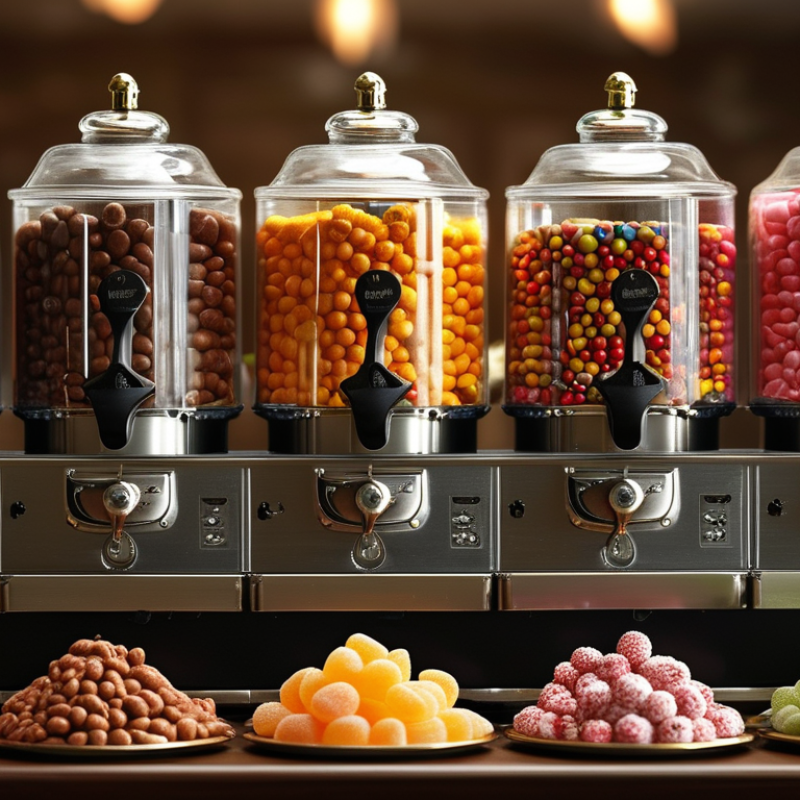
Understanding Your Business Needs for Confectionery Machines
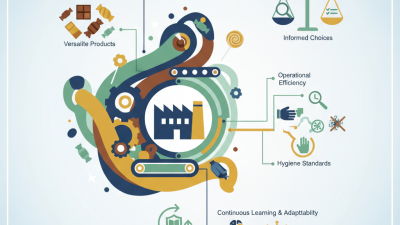
When selecting confectionery machines, understanding your business needs is crucial. Start by assessing your production volume. Are you a small shop aiming for artisanal treats? Or a large factory producing mass quantities? Different machines cater to different scales. Choose equipment that aligns with your output goals.
Next, think about the types of products you will create. Will you be making chocolate, hard candies, or gummies? Each product type requires specialized machinery. Investing in the wrong type can lead to inefficiencies. Consider the flexibility of the machines as well. Can they easily switch between products?
Finally, don't overlook the importance of support and training. Having access to knowledgeable suppliers can make a significant difference. Poor training can lead to mistakes and downtime. Reflect on your long-term vision too. Equipment should not only meet your immediate needs but also grow with your business. This will save you from frequent upgrades. Balancing these factors ensures you select the right machines for your confectionery aspirations.
Confectionery Machines: Understanding Business Needs
Evaluating Different Types of Confectionery Equipment Available
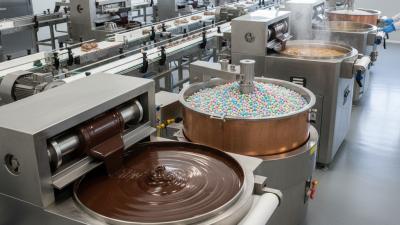
Choosing the right confectionery equipment can significantly impact your business's efficiency and quality. There are various types of machines tailored to specific processes. For instance, tempering machines are essential for chocolate production. They help achieve the right gloss and snap. Without proper tempering, the final product may not meet customer expectations.
Another vital piece of equipment is the enrober. This machine coats candies and confections with chocolate or other coatings uniformly. The right enrober can enhance the visual appeal and flavor of your products. A poorly chosen enrober may lead to uneven coating, affecting customer satisfaction.
Considerations don't end there. Each machine requires maintenance and staff training. Investing in high-quality equipment might lead to initial financial strain. However, the long-term benefits of increased production and product quality often outweigh these costs. Be prepared for potential challenges in adapting your processes to new technology. It’s about finding the right balance between cost, quality, and efficiency.
Key Features to Consider When Choosing Confectionery Machines
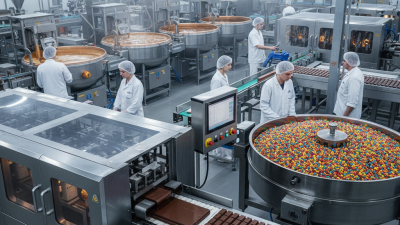
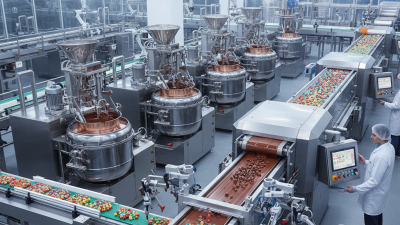
Choosing the right confectionery machines is crucial for any candy business. When selecting machines, consider the production capacity. It should align with your business's growth plans. A machine with a large output is ideal for high-demand situations. However, if you're a startup, a smaller, versatile machine may work better. It’s about balancing current needs with future possibilities.
Another essential feature is ease of use. Complex machines may require extensive training. Look for user-friendly options that can be operated with minimal guidance. Maintenance is another key aspect. Machines that are difficult to clean or maintain can slow down production. Reliable cleaning mechanisms can save time and enhance product quality.
Lastly, look for energy efficiency. Machines that consume less power can significantly reduce operational costs. However, weighing energy efficiency against performance is necessary. Finding the right balance may take time and experimentation. Overall, understanding these features can help you make informed decisions.
Budgeting for Confectionery Machines: Costs and Investment
When budgeting for confectionery machines, it's essential to understand the costs involved. A 2021 industry report estimates that small-scale machines can start at around $5,000, while larger configurations may exceed $100,000. These figures can significantly impact your financial planning. Consider not only the purchase price but also maintenance costs, which can average 15% of the initial price each year.
Finding the right balance often requires careful evaluation. Look for machines that offer both efficiency and reliability. Data shows that investing in high-quality machines can save you on operational costs over time. A common mistake is to prioritize low initial costs rather than long-term performance. This can lead to higher repair expenses later.
Evaluate your production volume and capacity needs. Organizing a cost-benefit analysis can help clarify your investment decisions. Short-term savings may become a burden if the machinery fails to meet demand. Conducting thorough research on various machine capabilities and their long-term benefits is crucial for sound financial planning.
Researching Manufacturer Reputation and Customer Reviews
When selecting confectionery machines for your business, evaluating manufacturer reputation is crucial. A strong reputation often indicates a history of reliability. Look for manufacturers known for quality and innovation. Online research can unveil insights into their production practices and customer support.
Customer reviews are equally insightful. They provide real-world experiences from users. Positive feedback often highlights usability and durability. Pay attention to common issues mentioned in reviews. These can reveal potential weaknesses in a machine. A few negative comments shouldn't lead to immediate dismissal, but patterns are telling. Reflecting on these can guide you toward making informed choices.
Consider the trade-offs when assessing options. A well-reviewed machine might be pricier than others. However, the potential savings on repairs and downtime may justify the cost. Weigh the pros and cons thoughtfully. Balancing reputation with realistic feedback requires time and effort, but it pays off in the long run.