2026 Best Layered Conveyor Belt Options for Global Buyers?
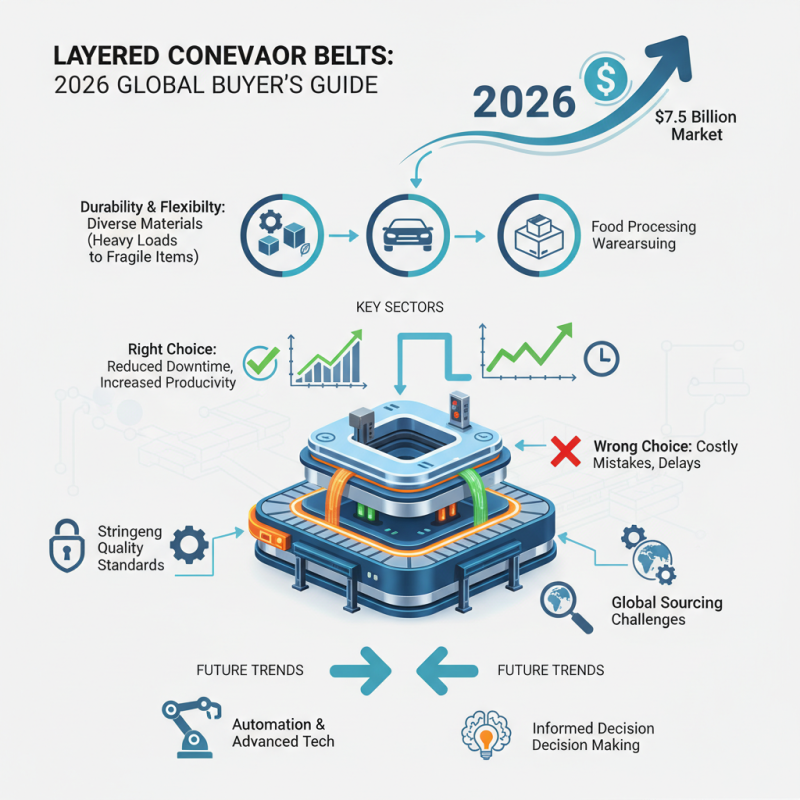
In the fast-paced logistics industry, the choice of the right equipment can significantly impact operational efficiency. Layered Conveyor Belts have emerged as a preferred solution for many businesses worldwide. Recent reports indicate that the global conveyor belt market is expected to reach $7.5 billion by 2026, with layered options accounting for a substantial share. This growth underscores the importance of understanding the various available choices.
Layered Conveyor Belts provide advantages in durability and flexibility. These belts can transport a diverse range of materials, from heavy loads to fragile items. Consequently, they have become essential in sectors such as automotive, food processing, and warehousing. Experts emphasize that selecting the right model can lead to reduced downtime and increased productivity. However, improper selection can lead to costly mistakes and operational delays.
As buyers look towards 2026, assessing the best layered conveyor belt options is crucial. With the rise of automation and advanced technologies, options are becoming more sophisticated. Yet, challenges remain in sourcing quality products that meet stringent standards. Global buyers must be vigilant and informed when making their decisions. A well-researched choice can propel businesses forward, while a hasty one may hinder growth.
Overview of Layered Conveyor Belts and Their Applications
Layered conveyor belts are essential in various industrial applications. Their design features multiple layers that provide strength and durability. These belts handle heavy loads while maintaining flexibility. Different materials, such as rubber and fabric, enhance performance for specific tasks. For example, rubber layers offer excellent grip, making them ideal for inclined surfaces.
In food processing, layered belts are often used. They resist contamination and are easy to clean. This is crucial for maintaining hygiene standards. Additionally, they help transport items through several stages of production efficiently. It's interesting to note that not all layered belts perform equally. Some may wear down faster under heavy loads, leading to increased downtime.
Consideration of environmental factors is vital when selecting a layered conveyor belt. Temperature fluctuations can impact the materials used. The wrong choice could lead to malfunctions or failures. Although many belts can handle a variety of conditions, some may not be as reliable, requiring regular inspection and maintenance. It's essential to identify potential issues before they affect productivity.
Key Considerations for Selecting Layered Conveyor Belts
When selecting layered conveyor belts, buyers should consider several key factors. The material composition is crucial. Different materials offer varying levels of durability and flexibility. Examine how these materials will perform under specific conditions. For example, belts exposed to extreme temperatures or abrasives need special attention.
Another important factor is the load capacity. Assess the weight and type of materials being transported. This affects belt selection directly. Additionally, consider the environment in which the belt will operate. Will it face exposure to chemicals or moisture? This information influences the longevity and reliability of the belt.
Finally, make sure to prioritize maintenance needs. Some layered belts require more frequent upkeep than others. Consider the cost of maintenance over time. Assessing these factors will help in making an informed decision. Balancing these aspects is not always straightforward. Finding the perfect match may require some trial and error.
Comparison of Layered Conveyor Belt Types by Load Capacity
This chart illustrates the load capacity ranges of various types of layered conveyor belts suitable for global buyers. The data reflects standard load capacities for different layered materials commonly used in conveyor systems.
Top Brands and Manufacturers of Layered Conveyor Belts for 2026
When considering layered conveyor belts for 2026, buyers will encounter an array of top brands and manufacturers. The global conveyor belt market, projected to reach $6.61 billion by 2026 according to a recent industry report, highlights the competitive environment. Layered conveyor belts, known for their durability and efficiency, serve various sectors, from manufacturing to logistics. However, choosing the right type can be challenging.
Brands specializing in these belts focus on material quality and technology. Innovative manufacturing processes enhance wear resistance and load capacity. A recent survey emphasized that 70% of industry experts cite high-performance materials as crucial. As companies shift towards automation, demands for advanced conveyor solutions will continue to rise.
Tip: Always assess the operational environment before selecting a belt type. Consult experts when in doubt. Consider the long-term costs related to maintenance and efficiency. Evaluate how adaptability might impact your chosen conveyor system. Prioritize not just the initial investment but also the lifecycle value of the conveyor belt.
With multiple manufacturers claiming to offer the best solutions, evaluating options based on specifications is vital. Balancing cost and performance requires careful scrutiny. Inadequacies in vendor support can hinder the optimization of conveyor systems. Ensuring robust partnerships is key for sustained productivity.
Comparative Analysis of Layered Conveyor Belt Materials
Layered conveyor belts have become vital in various industries. Their construction often involves different materials, each offering unique benefits. A comparative analysis of these materials reveals crucial insights for global buyers.
The most common materials include rubber, PVC, and polyurethane. Rubber belts offer durability and flexibility. PVC is cost-effective and suitable for lighter applications. Polyurethane belts are known for their strength and resistance to wear. Each material serves distinct purposes. Buyers must evaluate environmental factors and load requirements.
Tips: Consider the specific application before selecting a belt. Analyze the working environment. Gather data on wear and tear in similar scenarios.
Choosing the right material can significantly affect efficiency. Understanding the nuances of each option is essential. Not all materials perform the same under stress. Conduct thorough testing to ensure reliability.
Tips: Utilize prototypes to test durability. Compare performance metrics in real-world conditions. This will help identify any weaknesses early.
Future Trends in Layered Conveyor Belt Technology and Innovation
In the evolving landscape of conveyor belt technology, layered conveyor belts are gaining attention. These belts offer a balance between durability and flexibility, making them essential for various industries. Recent innovations focus on materials that enhance performance and reduce environmental impact. Manufacturers are experimenting with lightweight composites. This can lead to energy savings and lower operational costs.
Tips for buyers: Look for belts with multi-layer designs that align with your specific application needs. Check for certifications to ensure safety and compliance.
The trend towards modular designs is also evident. Modular belts can be easily customized and repaired, reducing downtime. However, choosing the right modular solution can be challenging. Consider the intricacies of both installation and maintenance.
It's crucial to stay informed about these advancements. Engage with industry experts and attend trade shows to see the latest innovations firsthand. This proactive approach will help buyers make informed decisions in a competitive market.
