Best Gate Valve Options for Your Global Procurement Needs?
When considering Gate Valves for global procurement, quality is crucial. Gate valves control the flow of fluids in pipelines. They are used across various industries, from water management to oil and gas. Understanding the best options is essential for effective operations.
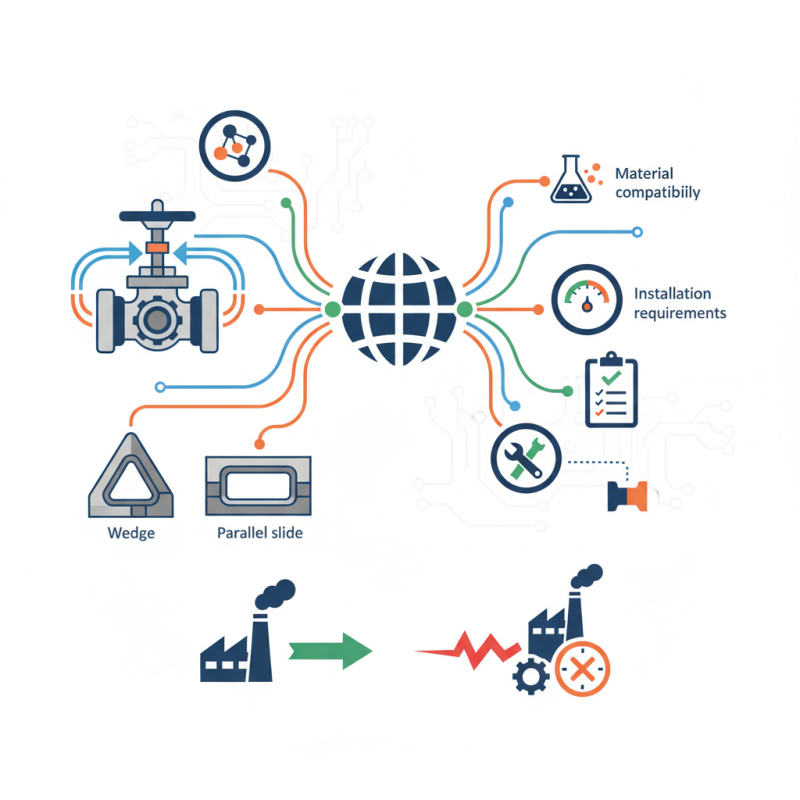
The variety of gate valve types can be overwhelming. Choices range from wedge to parallel designs, each having distinct advantages. Selecting the right gate valve impacts efficiency and reliability. A poorly chosen valve can lead to maintenance issues and operational delays.
Expert insights reveal common challenges in gate valve selection. Factors include material compatibility, pressure ratings, and installation requirements. It’s easy to overlook these details, leading to costly mistakes. Careful evaluation is key to avoiding pitfalls in procurement processes.
Best Materials for Gate Valves: A Comprehensive Analysis
Gate valves are crucial in various industries, facilitating smooth flow control. Choosing the right material is essential for durability and reliability. Commonly used materials include cast iron, stainless steel, and brass. In a recent industry report, nearly 45% of gate valves worldwide utilized stainless steel due to its corrosion resistance and strength.
Cast iron is ideal for low-pressure systems. Its weight offers stability but can be prone to rust. Brass, on the other hand, is often selected for smaller applications. It withstands low temperatures but may not perform well in high-pressure environments. Each material has distinct benefits and weaknesses, making selection based on specific needs vital.
**Tip:** Consider the operational environment when selecting materials. For corrosive settings, opt for stainless steel. Regular inspections can prevent costly failures in less durable materials. Evaluate the total cost of ownership, including maintenance and potential replacements, to ensure long-term advantages.
Key Specifications to Consider for International Gate Valve Procurement
Choosing the right gate valve for global procurement is crucial. Key specifications directly influence the valve's performance and longevity. Professional reports indicate that material selection is paramount. Common materials include carbon steel, stainless steel, and PVC. Each material has unique properties impacting cost and durability. For instance, stainless steel offers higher corrosion resistance, making it ideal for harsh environments.
The size and pressure rating are also essential. Gate valves typically range from ½ inch to 60 inches in diameter. The pressure ratings can vary from ANSI Class 150 to Class 2500. Understanding these specifications is vital for ensuring the valve meets system requirements. However, many procurement professionals overlook these details, potentially leading to costly mistakes.
Moreover, one must consider the type of gate valve. A rising stem valve provides visual confirmation of valve position. In contrast, a non-rising valve saves vertical space. Each option presents advantages and drawbacks. Professionals often need to revisit decisions based on evolving project needs. Engaging with technical experts can enhance understanding and improve procurement outcomes.
Best Gate Valve Options for Your Global Procurement Needs - Key Specifications to Consider for International Gate Valve Procurement
| Type | Size | Material | Pressure Rating | Temperature Range | End Connection Type |
| Gate Valve | 2 inch | Cast Iron | 150 psi | -20°F to 200°F | Flanged |
| Globe Valve | 3 inch | Stainless Steel | 300 psi | -40°F to 400°F | Welded |
| Wedge Gate Valve | 4 inch | Carbon Steel | 600 psi | 0°F to 250°F | Threaded |
| Parallel Slide Gate Valve | 6 inch | Bronze | 150 psi | -10°F to 180°F | Flanged |
Top Gate Valve Brands and Their Market Share in 2023
In 2023, the gate valve market is buzzing with competition. Top brands dominate, claiming significant portions of market share. Understanding these trends helps businesses make informed procurement decisions.
Innovative designs and materials are leading industry changes. Many brands offer durable options that withstand extreme conditions. However, not all products perform equally well. It's essential to evaluate reliability and maintenance needs before committing to any supplier. The landscape can be unpredictable, requiring careful examination of your choices.
Monitoring market shifts is crucial. Suppliers can rise and fall with trends and customer preferences. Some may excel in specific regions, while others may focus on niche applications. Regularly assessing these dynamics enables procurement teams to stay ahead and ensure they select the best gate valve options for their needs.
Global Industry Standards for Gate Valves: Compliance and Certification
In selecting gate valves for global procurement, compliance with industry standards is critical. These standards ensure safety and reliability across diverse applications. According to a report by the International Organization for Standardization (ISO), over 50% of gate valves fail to meet essential regulatory requirements. Such failures can lead to costly disruptions in operations.
Certification marks like API 600 and ASME B16.34 are vital indicators of compliance. They verify that valves have undergone rigorous testing. For instance, a study from the American Petroleum Institute revealed that compliant valves reduced operational risks by 30%. Non-compliant valves, however, are often chosen due to lower initial costs. This can lead to higher long-term expenses due to failure and maintenance issues.
Organizations must prioritize compliance in their procurement strategy. Engaging with certified suppliers ensures access to quality products. Data shows that 70% of procurement professionals prioritize working with compliant vendors. However, many overlook the importance of ongoing audits and assessments. Regular evaluations can better align procurement practices with changes in industry regulations. This commitment to compliance can foster more sustainable and efficient operations globally.
Cost-Benefit Analysis of Different Gate Valve Types in Various Markets
When considering gate valves for global procurement, a detailed cost-benefit analysis is essential. Different types of gate valves serve various industries, and understanding their unique characteristics can influence purchasing decisions. For instance, rising steel prices impact the cost of metal gate valves. On the other hand, plastic options may offer significant savings in specific applications but might not withstand high pressure.
The global market shows a diverse range of gate valve types. In regions with fluctuating materials costs, a more economical choice might be a resilient seated valve. These valves can enhance longevity and reduce maintenance. However, their performance under extreme conditions remains a concern. It's vital to weigh upfront costs against potential downtime and reliability. Each market has distinct challenges, making a one-size-fits-all approach ineffective.
Trade-offs must be evaluated carefully. While a cheaper valve might seem attractive, hidden costs may arise later. In contrast, investing in higher-quality valves could lead to reduced failures and longer service life. Conducting thorough research on suppliers and options can aid in this decision-making process. Exploring customer reviews and industry reports often reveals insights that standard specifications overlook.