What Is the Best Film Embossing Machine in 2026?
Choosing the best Film Embossing Machine in 2026 is not a matter of picking the fastest model or the most impressive brochure. The right choice depends on the film, embossing pattern, production volume, and consistency your work requires. A machine that handles thin packaging film well may struggle with a thicker decorative material. Small differences in roller pressure or temperature can soften a sharp pattern or leave uneven texture across the web.
For a practical selection rule, this guide uses an explicitly illustrative quote from fictional process engineer Daniel Reed: “Judge the pattern on the finished film, not the machine’s promise.” This is an editorially created line, not a verified quotation from a real expert. The point is worth testing. Ask suppliers for sample runs using your actual film, then inspect edge-to-edge definition, repeatability, and material handling. Details matter.
This guide compares machine features that affect real production: working width, embossing depth, temperature control, line speed, changeover time, and service support. It also considers operator needs, because complicated adjustments can cost time between runs. A specification sheet cannot show every wrinkle, registration drift, or setup delay. Some trade-offs remain. A lower purchase price may bring higher setup demands, while advanced controls may not help every plant. Treat “best” as a fit for your process, and verify claims with measured trials before deciding.
How Film Embossing Machines Work
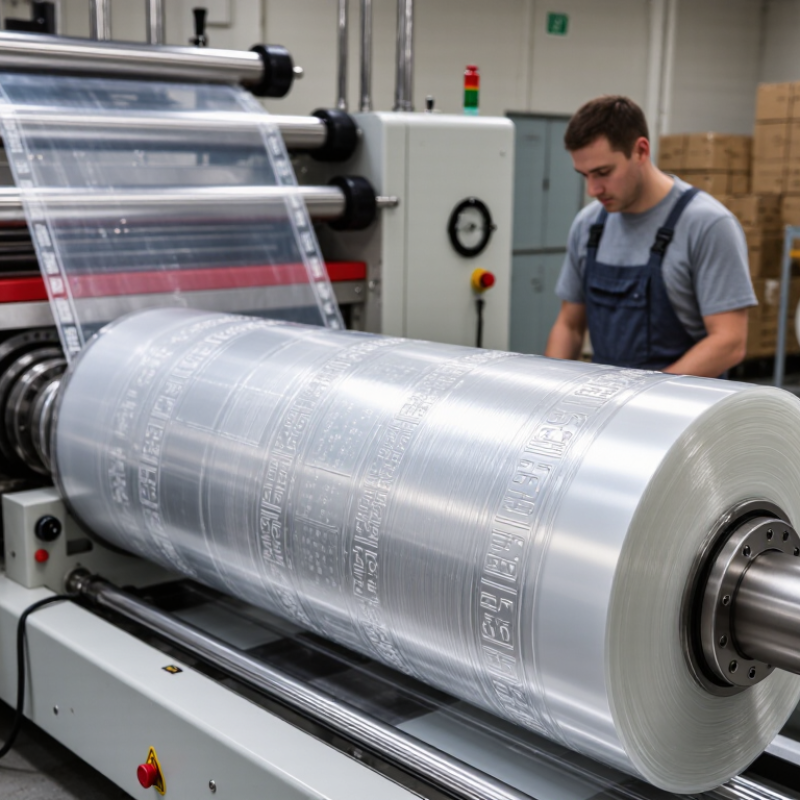
A film embossing machine creates texture by pressing a patterned tool against a moving plastic web. The tool may be a heated engraved roll, while a smooth backup roll supports the film. Heat and pressure soften the surface enough to form the design; cooling helps the pattern hold.
Some films emboss without added heat. Settings depend on polymer type, thickness, line speed, and pattern depth. Small changes matter. Too much heat can stretch or distort the web. Too little pressure may leave a shallow, uneven finish. Operators watch web tension and inspect the surface under angled light for missed details.
Plastics Europe’s Plastics—The Fast Facts 2024 reports 413.8 million tonnes of global plastics production in 2023. That figure covers plastics broadly, not embossed film alone, so it is context, not a machine-performance benchmark.
For a 2026 purchase, compare roll temperature control, pressure consistency, usable width, and repeat accuracy against your actual film. Ask for a trial using the intended material and pattern.
A sample run matters. I would not trust a quoted maximum speed without checking embossing quality at that speed; clean results on a short test can change on a long production run.
Key Features That Define Machine Performance
A strong film embossing machine should hold pressure, temperature, and web tension steady across the full roll. Small fluctuations can soften a fine pattern or create uneven gloss. Look for closed-loop controls, clear settings, and sensors that flag drift before defects spread. Registration matters too, especially when embossing must align with printed details. Ask for a trial using your actual film and pattern. A showroom sample is not enough.
Speed is only useful when quality holds. Grand View Research estimated the global packaging machinery market at about US$45.4 billion in 2023, with projected annual growth of 4.7% through 2030. That market-level figure does not predict embossing performance, but it underlines the value of efficient, reliable production. Check changeover time, scrap rates, energy use, and access to wear parts. Then inspect samples at different line speeds. Feel the raised texture. Measure pattern depth. Some results may look good under bright factory lights but disappoint in ordinary use. That deserves a closer test.
What Is the Best Film Embossing Machine in 2026?
Key Features That Define Machine Performance
The chart presents an illustrative 100-point evaluation rubric, not measured results or a brand ranking. When comparing machines, verify these factors against documented specifications and production trials; the right choice depends on the film, embossing pattern, and required output.
How to Compare Film Embossing Machines
What Is the Best Film Embossing Machine in 2026?
How to Compare Film Embossing Machines
A useful comparison starts with the film you actually plan to run. Check its material, thickness, width, and stretch behavior against each machine’s stated operating range. Then inspect sample rolls for even texture, clean edges, and consistent embossing across the full width. A raised pattern may look sharp on a short test, yet flatten or vary during a longer run.
Compare temperature control, roller pressure, line speed, and web tension as a system. Small fluctuations can create uneven depth, wrinkles, or film breaks. Ask suppliers for a trial using your own material and target pattern. Record setup time, scrap, and output quality. Specifications matter, but they do not tell the whole story. I would not choose on speed alone; faster settings can make quality harder to control.
Tips: Bring a real production sample. Check how quickly operators can change patterns, clean rollers, and restore settings. Ask which wear parts need regular replacement and how they are serviced. If two machines seem close, compare finished rolls under the same lighting and handling conditions. That test can expose differences a brochure misses.
Choosing the Best Machine for Your Production Needs
The best film embossing machine in 2026 is the one that fits your actual production mix. A fast line can still be a poor choice if it wrinkles thin film or struggles with frequent pattern changes. Start with the materials you run: film type, thickness, working width, and roll format. Bring real samples, not just a specification sheet. Small details matter.
Ask for a production trial using your film and target pattern. Watch how evenly the machine embosses across the web, especially near the edges. Check whether temperature, pressure, and line speed are easy to adjust. Measure setup time and material waste during a changeover. A clean sample is useful, but a stable run tells you more. Even then, one trial may not reflect every shift or operator.
Consider daily workload, floor space, operator training, and access to routine maintenance. Confirm which parts need regular replacement and how quickly support can respond. Compare the full operating cost, not only the purchase price. It is tempting to choose extra speed for future growth, but unused capacity still costs money. The right choice may involve a compromise; document what matters most before comparing machines.
