What Is the Best China Big Roots Blower?
Choosing the best China Big Roots Blower is not simply a matter of comparing prices. The right model must match airflow, pressure, gas conditions, operating hours, and installation space. A blower that performs well in a wastewater plant may be unsuitable for pneumatic conveying. The application decides the answer.
In practical projects, experienced engineers examine more than the catalog rating. They check the rotor profile, casing accuracy, bearing design, lubrication method, vibration level, and cooling arrangement. Noise can also matter. A machine may look efficient on paper, yet create uncomfortable sound near a workshop or treatment basin. Small details become expensive later. Sometimes, buyers overlook the motor and control system. That is a mistake.
Reliable Chinese manufacturers usually provide performance curves, inspection records, material information, and clear maintenance guidance. Look for traceable testing, stable machining quality, responsive technical support, and spare parts availability. Certifications can support confidence, but they should not replace independent technical verification. Ask how the quoted capacity was measured. Ask whether the pressure includes system losses.
There is no universal winner. The best China Big Roots Blower is the one that delivers stable performance within your real operating conditions. It should start smoothly, maintain pressure, and tolerate continuous duty without excessive vibration. A lower purchase price may not mean lower ownership cost. Energy use often changes the long-term calculation. Still, every recommendation deserves review. Site data can be incomplete, and manufacturer claims need careful comparison. This guide examines the main selection factors, common weaknesses, and practical checks buyers should complete before making a dependable decision.
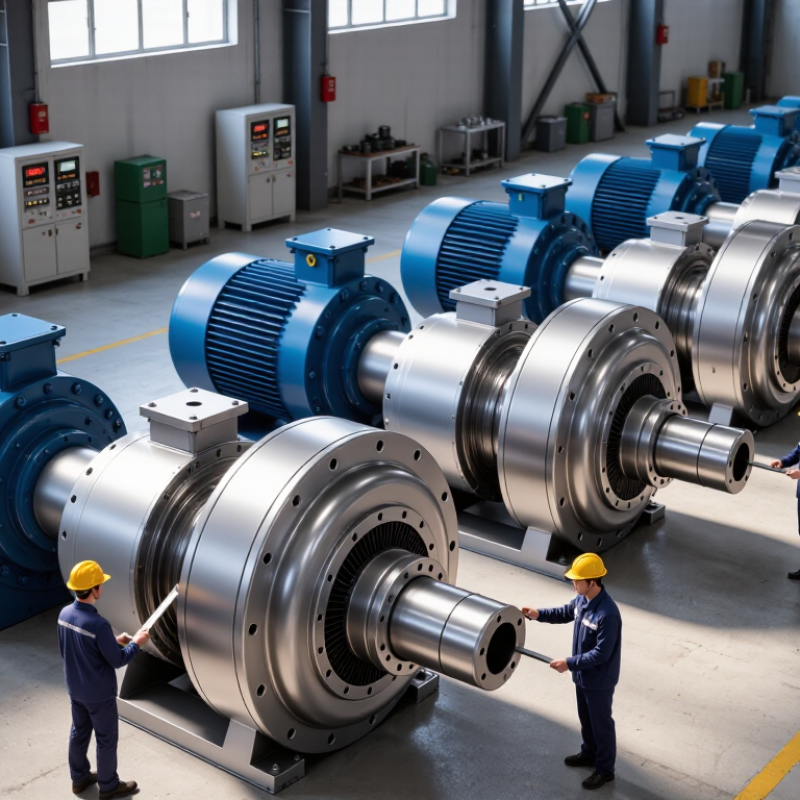
China Big Roots Blowers: Types, Displacement, and Pressure Ratings
What Is the Best China Big Roots Blower?
China big Roots blowers are selected by application, not size alone. The main types are two-lobe and tri-lobe designs. Two-lobe models often cost less and suit stable, general-duty airflow. Tri-lobe models usually reduce pulsation and operating noise. This difference matters in wastewater aeration, pneumatic conveying, and industrial vacuum systems.
Displacement describes the air volume moved per revolution. Large units commonly range from 10 to 300 cubic meters per minute, depending on cylinder size and speed. Actual airflow is lower than theoretical displacement because of internal slip. A reliable specification should show rated flow, rotational speed, inlet conditions, and power demand. Otherwise, comparisons can become misleading.
Pressure ratings need careful reading. Many industrial positive-displacement blowers operate around 0.3 to 1.0 bar gauge pressure. Vacuum service may require a separate rating, often near minus 0.3 to minus 0.5 bar gauge. The maximum pressure is not always the recommended continuous pressure. Temperature rise, oil level, belt tension, and filter resistance affect real performance. Water-cooled versions may help with demanding duty cycles, while air-cooled units simplify maintenance. I would verify test standards and noise data before purchasing. A larger blower is not automatically better. It can waste energy when flow demand changes. In practice, variable-speed control may deliver a better match, although the initial system design becomes more complicated.
What Is the Best China Big Roots Blower? - China Big Roots Blowers: Types, Displacement, and Pressure Ratings
| Blower Type | Typical Application | Typical Displacement Range | Typical Pressure Differential | Typical Vacuum Rating | Common Speed Range | Main Selection Advantage |
| Two-Lobe Roots Blower | Pneumatic conveying, wastewater aeration, combustion air, and general industrial gas transfer | 2–300 m³/min | 10–100 kPa | Up to approximately −50 kPa | 500–1,500 rpm | Simple construction, strong durability, and easy maintenance |
| Three-Lobe Roots Blower | Continuous aeration, industrial conveying, aquaculture, and low-pressure process air | 1–250 m³/min | 10–120 kPa | Up to approximately −60 kPa | 600–1,800 rpm | Lower pulsation and noise than many two-lobe designs |
| High-Pressure Roots Blower | Dense-phase conveying support, furnace air, industrial burners, and high-resistance aeration systems | 5–180 m³/min | 80–150 kPa | Usually not selected for deep vacuum duty | 500–1,500 rpm | Suitable when the system requires higher differential pressure |
| Vacuum Roots Blower | Vacuum packaging, material handling, filtration, and central vacuum systems | 2–200 m³/min | Normally operated below atmospheric pressure | Approximately −30 to −80 kPa, depending on configuration | 500–1,500 rpm | Provides high volumetric flow for vacuum service |
| Oil-Free Roots Blower | Food processing, pharmaceutical production, clean air, and wastewater treatment | 1–250 m³/min | 10–100 kPa | Application-dependent; commonly up to −60 kPa | 500–1,800 rpm | Prevents lubricating oil from entering the conveyed gas stream |
| Variable-Speed Roots Blower | Systems with changing air demand, energy-optimized aeration, and automated process control | 2–250 m³/min | 10–120 kPa | Depends on the selected operating mode | 300–1,800 rpm | Matches output to demand and can reduce energy consumption |
Selection note: The best large Roots blower depends on required air or gas flow, pressure differential, operating hours, gas composition, temperature, noise limits, efficiency targets, and maintenance requirements. The ranges shown are typical engineering values; final selection should be confirmed against the manufacturer's performance curve and operating conditions.
Capacity Comparison: 100–10,000 m³/h and 0.1–1.0 bar Pressure
What Is the Best China Big Roots Blower?
Capacity Comparison: 100–10,000 m³/h and 0.1–1.0 bar Pressure
The best Roots blower depends on operating conditions, not country of origin. A 100 m³/h unit may suit a small aeration tank or laboratory process. A 10,000 m³/h model serves large wastewater, cement, or pneumatic conveying systems. These figures describe airflow, but they are not always measured the same way. Check whether capacity means inlet volume, standard air volume, or actual discharge volume.
Pressure also changes the selection. At 0.1 bar, a single-lobe blower can often deliver stable airflow with moderate energy use. From 0.3 to 0.6 bar, leakage, heat, and motor load become more noticeable. Near 1.0 bar, the application may require staged compression, stronger cooling, or a different blower arrangement. Do not judge performance from capacity alone.
A practical comparison should include pressure rise, rotational speed, shaft power, noise, and expected operating hours. For example, an aeration system needing 2,000 m³/h at 0.4 bar requires more than a simple flow match. Water temperature, altitude, pipe resistance, and filter blockage can reduce actual output. One easy mistake is trusting a catalog number without checking test conditions. The result may look correct on paper, yet fail at the discharge pipe. Leave reasonable reserve, but avoid excessive oversizing. It can create unnecessary power consumption and unstable control. The figures are useful, though never perfectly complete.
What Is the Best China Big Roots Blower?
Capacity Comparison: 100–10,000 m³/h and 0.1–1.0 bar Pressure
This chart shows representative operating pressure bands commonly used when selecting positive-displacement Roots blowers across a capacity range of 100–10,000 m³/h. Actual performance depends on speed, lobe design, gas temperature, inlet conditions, and motor configuration. Confirm the final selection with the supplier’s certified performance curve.
Two-Lobe vs. Three-Lobe Designs: Efficiency, Noise, and Pulsation
What Is the Best China Big Roots Blower?
When comparing two-lobe and three-lobe Roots blowers, rotor design changes the sound you hear and the air pattern you measure. A two-lobe unit is mechanically simple, affordable, and easy to maintain. However, each rotor turn creates stronger discharge pulses. In a workshop, this may sound like a sharp “thump,” especially through a short metal pipe. Three-lobe rotors usually deliver smoother airflow because their discharge events overlap more frequently. The result is lower pulsation and often less tonal noise.
Efficiency is less straightforward. A three-lobe blower can reduce internal pressure fluctuations and improve operating comfort. It may also need less acoustic treatment at the same duty point. Yet, gear quality, rotor clearance, inlet filtration, and speed control strongly affect actual power consumption. A poorly aligned three-lobe machine can waste more energy than a well-built two-lobe model. Numbers on a brochure are not enough.
For water treatment or pneumatic conveying, measure pressure, flow, motor current, and sound at the installation site. Check the outlet silencer after several hours, not only during a short test. Pulsation can loosen fittings and stress flexible joints over time. I would not automatically choose three lobes for every application. A two-lobe blower may be the better practical choice where budget, low speed, and simple servicing matter. The compromise is real, and operating conditions deserve more attention than rotor count alone.
Evaluating Materials, Cooling, Sealing, and ISO 1217 Test Data
What Is the Best China Big Roots Blower?
The best China big Roots blower should be judged by verified operating data, not catalog pressure alone. ISO 1217:2016 defines methods for measuring airflow, power, pressure, and temperature. Ask for complete test conditions. Inlet temperature, discharge pressure, speed, and correction methods must be visible.
Material selection affects stability. Ductile iron housings can resist pressure cycling better than ordinary cast iron. Precision-machined rotors need controlled clearances. Excessive clearance lowers capacity. Tight clearance may create contact after thermal expansion. This is where cooling design matters. Air-cooled units suit moderate duty, while water-cooled systems can control discharge temperature more consistently. Still, cooling tubes and jackets add maintenance points.
Sealing deserves equal attention. Labyrinth seals reduce friction and avoid frequent contact wear. However, they cannot eliminate leakage. Proper shaft sealing and clean bearing oil remain essential. The U.S. Department of Energy reports that compressed-air leaks can waste 20–30% of compressor output in poorly maintained systems. That figure is not a blower rating, but it shows why sealing deserves measurement.
Request ISO 1217 test data at your actual pressure range. Check specific power, flow stability, noise, vibration, and discharge temperature. A single best-case test is weak evidence. Field performance can differ. I would also inspect a three-month maintenance record. This step is often missed. Industry data helps, but installation quality still changes the result.
Choosing the Best Model by Flow, Pressure, Motor Power, and Lifecycle Cost
What Is the Best China Big Roots Blower?
Choosing the best big Roots blower starts with measured operating conditions, not catalog size. Record required airflow, discharge pressure, altitude, gas temperature, and daily running hours. A unit rated for 20,000 m³/h may perform poorly if the system needs only 15,000 m³/h at higher pressure. Flow and pressure must match the blower curve at the actual duty point. Small errors can create overheating, unstable aeration, or wasted electricity.
Motor power deserves careful attention. Select enough capacity for peak pressure, but avoid excessive oversizing. A variable frequency drive can adjust airflow during changing demand. Confirm motor efficiency, starting current, insulation class, and cooling performance. In wastewater plants, dirty filters and wet weather can increase resistance. I have seen installations lose efficiency because operators trusted the nameplate instead of checking pressure gauges. The mistake was simple, but expensive.
Lifecycle cost includes electricity, oil, filters, bearings, noise control, and planned downtime. Compare energy use over several years, not only the purchase price. Ask for performance test data, inspection records, spare-parts availability, and clear maintenance intervals. Check whether the casing, gears, and shaft seals suit continuous operation. A lower-cost blower may need more frequent service. Sometimes that trade-off is acceptable. Sometimes it quietly becomes the largest expense. Leave room for real operating variation, because laboratory efficiency rarely survives unchanged in a dusty plant room.
