
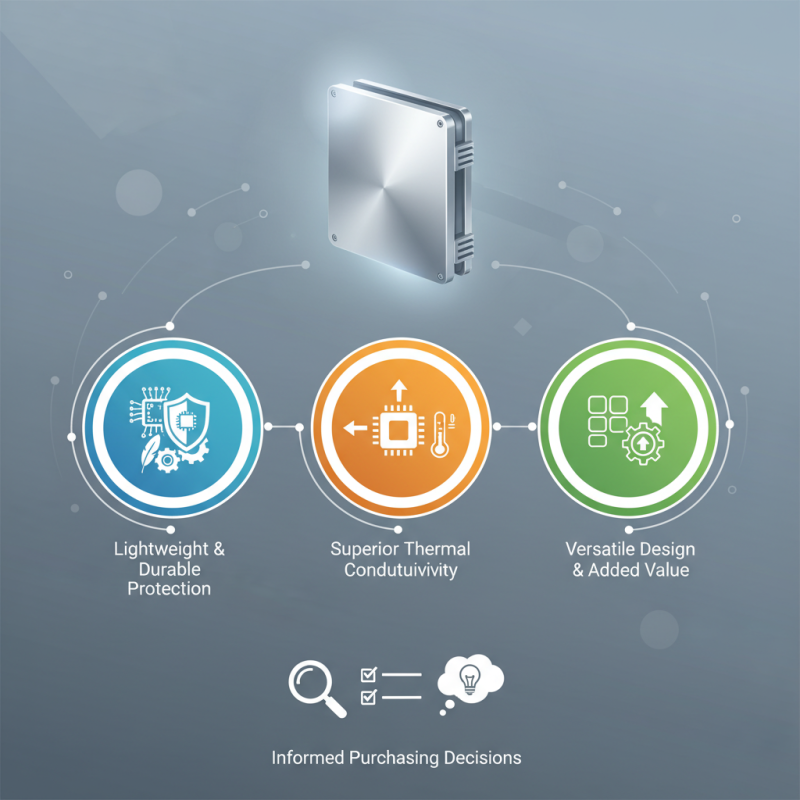
An Aluminum Enclosure is a popular choice for various applications in electronics and industrial design. This sturdy housing protects sensitive components from environmental elements. Its lightweight nature makes it ideal for portable devices, yet it provides durability against wear and tear. Manufacturers and engineers recognize its versatility and strength, making it a dependable option.
Many buyers appreciate the thermal conductivity of an Aluminum Enclosure. It helps dissipate heat efficiently, minimizing the risk of overheating. While there are numerous options available, not all may fit specific needs perfectly. Some customers may overlook factors like size or finish, leading to potential complications. Therefore, it's crucial to assess your requirements carefully.
Aluminum Enclosures offer both aesthetic appeal and functionality. They can be customized to enhance product design and branding. This adds value that many buyers might underestimate. Exploring the benefits of an Aluminum Enclosure can guide informed purchasing decisions and enhance overall project success.
An aluminum enclosure is a protective housing made from aluminum. Its main purpose is to safeguard electronic components from environmental damage. This type of enclosure is lightweight, durable, and resistant to corrosion. It often features a sleek appearance, making it ideal for various applications.
Aluminum enclosures are commonly used in industries such as telecommunications, automotive, and aerospace. They can protect sensitive devices from dust, moisture, and extreme temperatures. Using the right enclosure ensures the longevity of electronic products. For instance, an aluminum enclosure can dramatically reduce the risk of overheating.
**Tips:** When choosing an aluminum enclosure, consider the specific requirements of your project. Examine factors like size, shape, and cooling needs. It's essential to balance durability with design. Remember, investing in quality enclosures may cost more upfront. However, the protection they offer can save you from costly repairs in the long run.
Aluminum enclosures offer unique advantages compared to other materials like plastic or stainless steel. They are lightweight yet incredibly durable. This durability makes them ideal for demanding environments. Studies show that aluminum enclosures can withstand significant impacts, making them suitable for industrial applications. According to a report by the International Electrotechnical Commission, aluminum enclosures can last up to 25 years with minimal degradation.
One key feature of aluminum enclosures is their excellent thermal conductivity. This property helps in dissipating heat from electronic devices, enhancing performance and longevity. In contrast, plastic enclosures can trap heat, potentially harming sensitive components. Furthermore, aluminum provides superior electromagnetic shielding. In high-frequency applications, this shielding is crucial to prevent interference. Research indicates that aluminum enclosure designs can reduce electromagnetic interference by up to 45%.
Another often overlooked benefit is corrosion resistance. When coated properly, aluminum can resist harsh environmental conditions effectively. However, this doesn't mean they are immune to all forms of corrosion. Users need to be mindful of the environment where these enclosures are deployed. For example, marine environments can pose challenges, and a study from the Material Science Journal highlighted failures in some aluminum alloys when exposed to saltwater. Understanding these nuances is essential for making informed purchasing decisions.
Aluminum enclosures are essential for a wide range of applications due to their durability and versatility. One significant benefit is their resistance to corrosion. According to a report by the Aluminum Association, aluminum outperforms other materials in environments with moisture and chemicals. This makes it ideal for outdoor equipment and industrial applications.
Another vital advantage is weight savings. Aluminum is lightweight yet strong. A study from the Lightweighting Industries Association found that using aluminum can reduce overall product weight by approximately 50%. This reduction can enhance energy efficiency, especially in aerospace and automotive sectors.
Moreover, aluminum enclosures offer excellent thermal management. Their ability to dissipate heat effectively can prolong the life of electronic components. However, improper design can lead to inadequate cooling, which is a critical issue that needs addressing. It’s essential to balance aesthetics and functionality in these designs to avoid potential failures.
When considering an aluminum enclosure, think about its specific use. Different projects require different sizes and shapes. An enclosure for outdoor use should have extra weatherproof features. If the enclosure houses electronics, ventilation is crucial to prevent overheating.
Material thickness is another aspect to ponder. Thicker walls provide better durability but increase weight. Balancing strength with portability can be tricky. Pay attention to the finishing as well. Anodized finishes can enhance corrosion resistance. Choose a surface that suits your project environment.
Compatibility with hardware is essential too. Ensure that mounting options align with your components. Check whether the enclosure allows for seamless cable management. It might be beneficial to consider ease of access for future upgrades or repairs. This attention to detail can save time and frustration down the line.
| Feature | Description | Benefit |
|---|---|---|
| Durability | Resistant to corrosion and harsh environments | Longer lifespan with reduced maintenance costs |
| Weight | Lightweight compared to other metals | Easier to handle and transport |
| Thermal Conductivity | Excellent at dissipating heat | Enhanced performance for electronic components |
| Customization | Available in various sizes and shapes | Fits specific project requirements |
| Aesthetics | Modern look with a finish | Attractive design for professional applications |
| Cost-Effectiveness | Affordable compared to other housing options | Great value for budget-conscious buyers |
Aluminum enclosures are widely used across various industries. Their lightweight and durable nature makes them ideal for applications in electronics, telecommunications, and automotive sectors. For instance, a report by the Global Aluminum Enclosure Market projected a CAGR of 5.6% from 2021 to 2028. This growth is driven by the increasing demand for robust protection against environmental factors.
In electronics, aluminum enclosures offer excellent thermal management. They dissipate heat efficiently, protecting sensitive components. Similarly, in the telecommunications industry, these enclosures safeguard equipment from moisture and dust. According to industry data, approximately 25% of equipment failures are attributed to environmental factors. This statistic emphasizes the critical role of reliable enclosures.
Several industries, including renewable energy and medical devices, also utilize aluminum enclosures. Renewable energy systems, such as solar inverters, require durable housings to withstand outdoor conditions. Meanwhile, medical devices need to meet strict regulatory standards for safety and reliability. However, manufacturers must consider design limitations. An enclosure that is too heavy may inhibit the portability of a device. Balancing protection and ease of use remains a challenge.